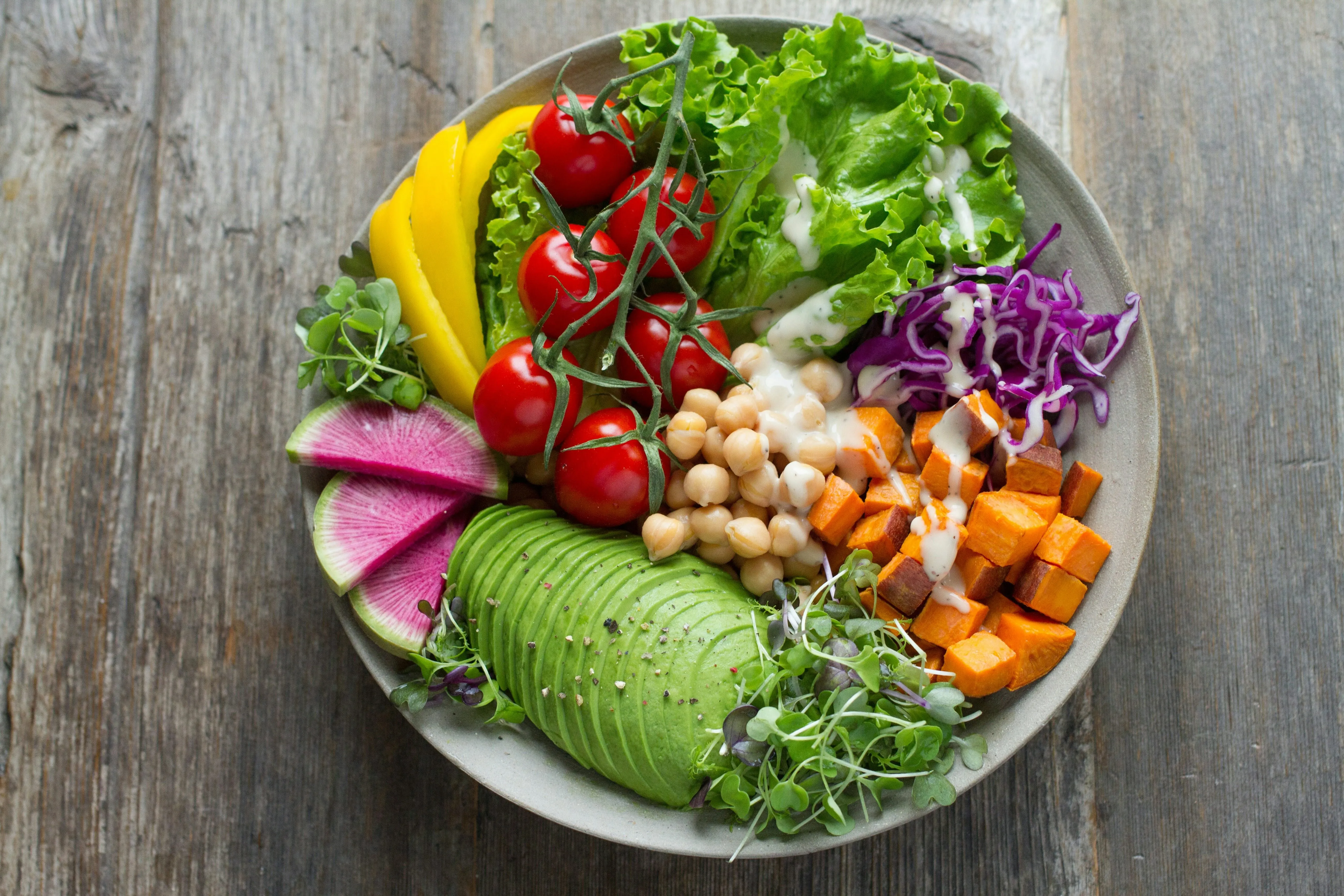
Engineering Performance Through Nutrient Density
In the modern landscape of high-level athletics and strength culture, the narrative surrounding plant-based nutrition has undergone a radical shift. What was once viewed as a niche dietary choice is now being recognized as a sophisticated performance strategy. For the multidimensional athlete, transitioning toward a plant-based or plant-forward architecture isn't about following a trend; it is about leveraging the physiological advantages of nutrient density, systemic recovery, and metabolic efficiency.
To meet elite fitness standards, the "engine" must be fueled by substances that reduce inflammation and accelerate repair. A plant-based diet, when executed with editorial precision, provides a credible foundation for a rank-worthy profile that prioritizes performance over popularity.
The Recovery Multiplier: Anti-Inflammatory
The most immediate competitive advantage of a plant-based diet lies in its capacity to modulate inflammation. High-intensity training blocks—whether focused on strength and conditioning or endurance—create significant oxidative stress and systemic inflammation.
Animal-based proteins, particularly processed meats, are often associated with pro-inflammatory markers that can delay the recovery window. In contrast, plant-based whole foods are rich in phytonutrients, antioxidants, and polyphenols. These compounds act as a biological "cleanup crew," neutralizing free radicals and clearing metabolic byproducts more efficiently. When an athlete reduces their inflammatory load through nutrition, they shorten the time between sessions, allowing for higher training volumes and more consistent progress.
Protein Synthesis and the Amino Acid Myth
A common misconception in the evolution of strength culture is that plant-based proteins are "incomplete" or insufficient for hypertrophy. However, for the disciplined athlete, the focus shifts from the source of the protein to the total amino acid profile.
By integrating a diverse array of legumes, grains, nuts, and seeds, an athlete can easily achieve a complete leucine-rich profile necessary to trigger muscle protein synthesis. The advantage of plant-based protein sources is that they come packaged with fiber and complex carbohydrates, providing a steady release of energy without the "heavy" digestive load often associated with high-meat diets. This leads to improved gut health and a more efficient transition into a parasympathetic state post-training.
Metabolic Flexibility and Endurance
For the hybrid athlete balancing explosive power with aerobic capacity, metabolic flexibility is a critical performance requirement. A plant-based diet naturally emphasizes complex carbohydrates—the primary fuel source for high-intensity output.
- Glycogen Efficiency: Plant-heavy diets provide a consistent supply of glucose, ensuring that muscle glycogen stores are topped off for demanding conditioning cycles.
- Blood Flow and Nitric Oxide: Vegetables like beets, arugula, and spinach are high in natural nitrates, which the body converts into nitric oxide. This vasodilator improves blood flow and oxygen delivery to working muscles, enhancing work capacity and reducing the oxygen cost of exercise.
- Vascular Health: By reducing the intake of saturated fats and dietary cholesterol, athletes can maintain a more resilient cardiovascular system, ensuring the "engine" is capable of supporting a high-performance "chassis" over the long term.
Movement Quality and Weight Management
Maintaining a rank-worthy profile often requires an optimal power-to-weight ratio. Plant-based nutrition excels in this arena because it is inherently high in volume but lower in caloric density. This allows an athlete to consume large amounts of food—maintaining satiety and nutrient intake—while more easily managing body composition.
When an athlete carries less non-functional mass, their movement quality improves. Joint stress is reduced, proprioception becomes more acute, and the ability to perform complex mobility flows or bodyweight maneuvers becomes more efficient. This is the difference between aesthetic bulk and performance-ready strength.
The Psychological Edge: Mental Clarity and Focus
The link between the gut microbiome and cognitive focus is a frontier of modern wellness. A plant-based diet, being naturally high in diverse fibers, supports a healthy gut-brain axis. Athletes often report a "lifting of the fog"—a heightened level of mental clarity and emotional stability that is essential for maintaining discipline during the most grueling phases of a training cycle.
By stabilizing blood sugar levels through slow-digesting plant fibers, athletes avoid the energy crashes that can lead to missed sessions or compromised focus. This psychological infrastructure is what allows for the "monotony tolerance" required to hit daily habits and maintain long-term rankings.
Engineering the Plant-Based Program
Transitioning to this nutritional standard requires more than just removing meat; it requires the same periodization and structure applied to a lifting program. To avoid the "junk food vegan" trap, the professional athlete focuses on:
- Micronutrient Verification: Prioritizing B12, Iron, Zinc, and Omega-3s (via algae or flax) ensures no gaps in the physiological grid.
- Bioavailability: Utilizing cooking methods like sprouting or fermenting to maximize the absorption of minerals.
- Clean Architecture: Minimizing processed "mock meats" in favor of whole, single-ingredient foods to keep the gut-brain axis clear.
Longevity: The Final Standard
Ultimately, the decision to adopt a plant-based diet is a commitment to longevity. While short-term gains can be made on many protocols, a plant-based architecture is built for the long game. It prioritizes the health of the heart, the kidneys, and the liver—the internal systems that sustain an athletic career beyond the prime years.
In a system that values measurable performance and movement quality, plant-based nutrition provides a sophisticated advantage. It proves that true power is not just about the size of the muscle, but the efficiency of the biology behind it.
Reclaiming the Intentional Engine
A plant-based diet is an act of professional-grade discipline. It is a refusal to accept the status quo of "hype" nutrition and a commitment to a life of athletic substance. By fueling the body with the highest-quality inputs, you ensure that your progress is not hindered by internal friction, but accelerated by cellular efficiency.
Define your standards, refine your fuel, and prove that your strength is powered by a foundation of genuine, sustainable health. The benchmark for high-level fitness is rising; it is time to build the plant-based engine required to meet it.