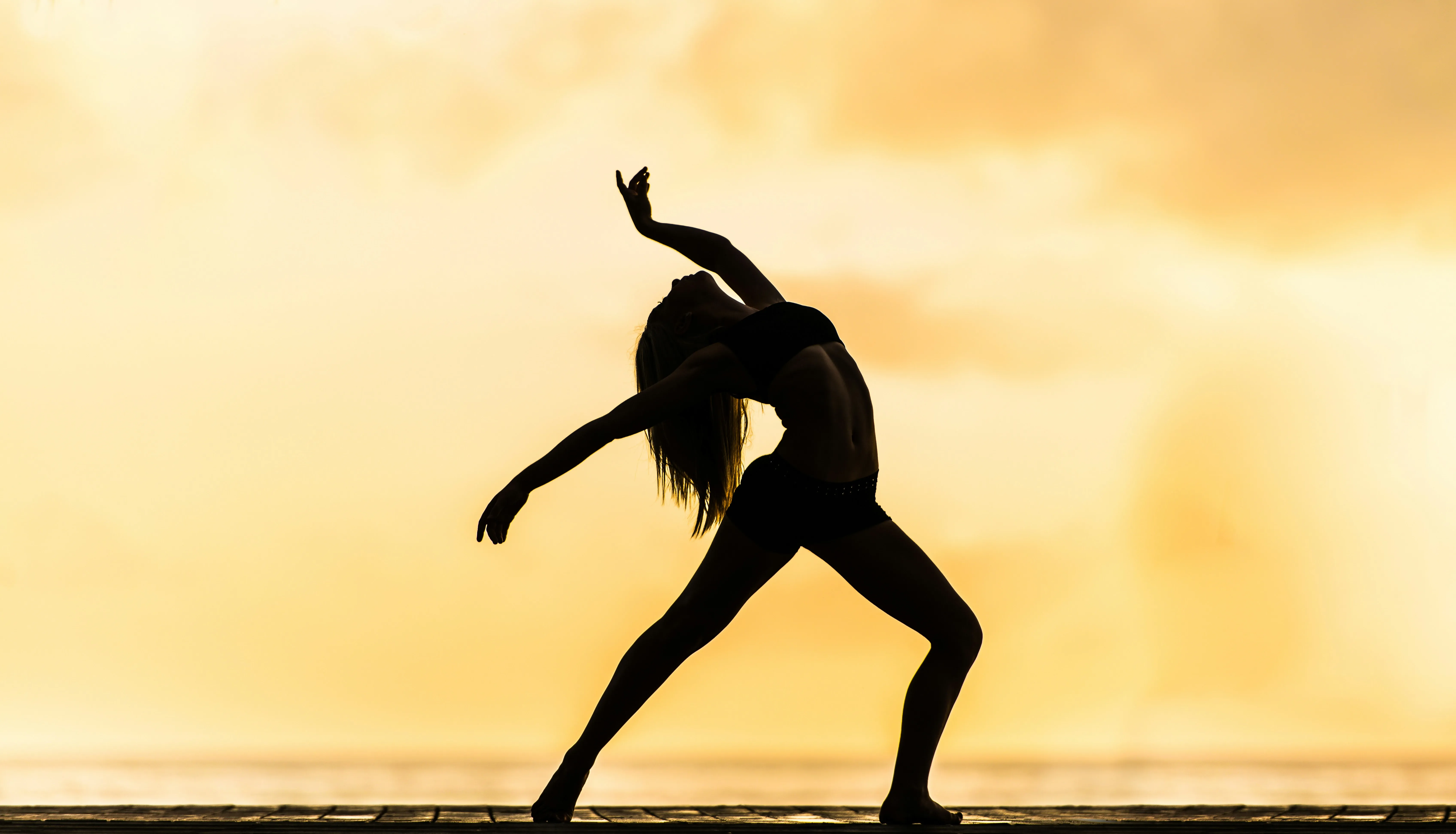
Why Coordination Builds Real Performance
Coordination — the foundation of dance — may be one of the most underrated tools for improving real-world performance.
You don’t need to be a professional dancer to benefit from movement training. In fact, integrating dance-based conditioning into a weekly routine can improve balance, agility, cardiovascular endurance, and even strength.
Fitness is not just about how much weight you can lift or how fast you can run. It’s about how you move.
What Is Dance Conditioning?
Dance conditioning blends rhythm, body control, and structured movement into a performance-focused training session.
Unlike casual freestyle movement, conditioning-based dance sessions emphasize:
- Footwork precision
- Core engagement
- Controlled transitions
- Lateral movement
- Tempo changes
This type of training challenges coordination, timing, and muscular endurance at the same time.
And those qualities directly translate to better overall athletic performance.
Core Strength Through Movement
One of the most powerful benefits of dance-based training is how it develops core strength.
Not just visible abdominal muscles — but deep stabilization.
During dance movements, the core must:
- Stabilize the spine
- Transfer force between upper and lower body
- Maintain posture during rotation
- Control balance during transitions
This dynamic core engagement is different from static planks or crunches.
It teaches the body to stabilize during motion, which is how real-life movement works.
Balance and Agility Gains
Dance improves lateral movement and multidirectional control. Many strength programs emphasize forward and backward motion — squats, lunges, presses.
Dance introduces:
- Side steps
- Rotational movement
- Cross-body patterns
- Pivot control
These movements enhance ankle stability, hip mobility, and foot strength.
Better balance reduces injury risk and increases confidence in athletic movement.
For general fitness readers, this means everyday movement feels easier — whether that’s playing sports, hiking, or simply staying active long-term.
How to Incorporate Dance Conditioning
You don’t need to overhaul your routine.
Start with: 1–2 sessions per week
These can replace one cardio session or supplement strength days.
Beginner structure example:
- 5 minutes dynamic warm-up
- 15–20 minutes structured dance combinations
- 5–10 minutes bodyweight conditioning
- 5 minutes cooldown
Choose structured classes, guided videos, or follow-along programs designed for athletic conditioning.
The goal is not perfection — it’s movement fluency.
Breaking the Fitness Stereotype
In reality, dance builds legitimate physical qualities.
Elite athletes across sports incorporate footwork drills, rhythm work, and coordination training — even if they don’t label it as dance.
The most capable athletes are not just strong.
They are fluid.
They can shift direction quickly.
They can stabilize under rotation.
They can adapt to unpredictable movement.
Dance conditioning builds those skills.
Fitness Is More Than Force
Modern fitness is evolving. It’s no longer defined solely by how much you lift or how fast you finish a workout. It’s defined by versatility.
Coordination, agility, rhythm, balance, and endurance all contribute to a more complete standard of fitness. Dance conditioning is not a replacement for strength training. It’s a complement. It builds movement confidence, improves cardiovascular health, strengthens the core, and enhances athletic intelligence. And perhaps most importantly — it makes training more dynamic and enjoyable.
If your current routine feels rigid or repetitive, adding coordinated movement may be the upgrade you didn’t know you needed. Because real performance isn’t just about force, it’s about control.
And control begins with movement.