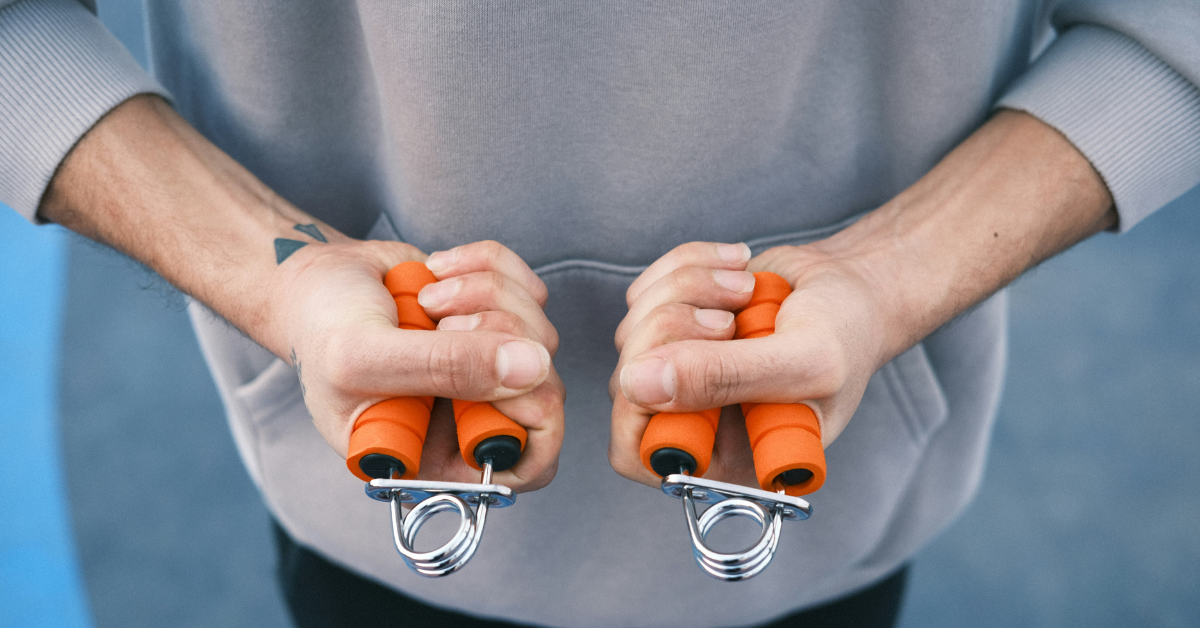
When evaluating human health and athletic readiness, simple tests often yield the most profound insights. While modern health tracking relies heavily on digital wearables, blood panels, and heart rate metrics, one of the most reliable indicators of systemic fatigue requires nothing more than squeezable handles. Grip strength, long viewed as a metric of forearm development, is now recognized across sports science and longevity medicine as a primary biomarker for nervous system health and overall physical resilience.
How hard you can squeeze a hand dynamometer offers a clear window into the state of your central nervous system, your muscular recovery, and your susceptibility to burnout.
The Neurological Connection Behind the Squeeze
To understand why handhold output acts as a window into systemic health, it helps to dispel a common myth. Maximal grip strength is not purely a function of forearm muscle mass. Instead, high velocity force generation depends heavily on neural drive, which is the speed and intensity of signals sent from the motor cortex in your brain down through the spinal cord to your muscle fibers.
When you attempt to crush an object with maximum effort, your central nervous system must recruit high threshold motor units. These fast twitch motor units require significant electrical output from the brain to fire efficiently.
If your central nervous system is fresh, these signals fire at high frequencies, resulting in peak force output. However, when you accumulate systemic fatigue from heavy strength training, high stress, or inadequate sleep, your motor cortex experiences central fatigue. The brain deliberately downregulates signal strength to protect the body from overexertion. Because the muscles involved in gripping rely heavily on these rapid neurological signals, any drop in central nervous system efficiency instantly shows up in your grip performance.
Distinguishing Peripheral Fatigue from Systemic Fatigue
Not all fatigue affects the body in the same way, and learning to read your physical signals requires distinguishing between local muscle tiredness and true systemic overload.
- Peripheral Fatigue: This occurs locally within specific muscles. If you perform high repetition biceps curls, your forearms and arms feel an intense burn due to local metabolic byproduct accumulation and energy depletion. While your arms feel tired, your central nervous system remains fully capable of firing at peak intensity elsewhere in the body.
- Systemic or Central Fatigue: This affects the nervous system as a whole. It stems from heavy compound lifting, severe mental stress, chronic sleep deficits, or systemic inflammation. When central fatigue sets in, your entire body experiences diminished neural output, even if individual muscles show no localized damage.
Because grip strength tests require maximum neural recruitment rather than metabolic endurance, a sudden drop in grip performance signals systemic fatigue rather than simple muscle soreness.
Grip Strength in Longevity and Mortality Research
The utility of grip strength extends far beyond daily workout readiness. Epidemiological studies have established hand grip strength as a strong predictor of all cause mortality, cardiovascular health, and functional longevity in aging populations.
In large scale clinical research, including the landmark Prospective Urban Rural Epidemiology study tracking over 140,000 adults across multiple countries, lower grip strength consistently correlated with a higher risk of cardiovascular mortality and all cause mortality. Researchers found that every five kilogram decrease in grip strength was linked to a significant rise in overall mortality risk, making it a stronger predictor of lifespan in some populations than systolic blood pressure.
This connection exists because handhold force serves as a proxy for overall neuromuscular integrity and total biological age. Maintaining strong neural drive and muscle quality into later decades reflects lower systemic inflammation, better metabolic health, and higher physical reserve capacity.
How to Use Grip Testing as a Daily Recovery Tracker
Integrating grip assessment into your lifestyle provides a simple, objective daily readiness score that helps you adjust training intensity before overtraining occurs.
1. Establish Your Baseline
Purchase a digital hand dynamometer and test your grip every morning upon waking for seven consecutive days. Take three maximal squeezes per hand, resting 30 seconds between efforts, and record your highest score. Averaging these initial scores establishes your personal baseline peak force.
2. Monitor Daily Variations
Test your grip strength each morning under consistent conditions, such as after using the restroom and before consuming caffeine. Compare your daily score against your established baseline to guide your activity choices:
- Within 2 to 3 Percent of Baseline: Your central nervous system is fully recovered. You are in optimal condition for heavy lifting, high intensity interval training, or demanding tasks.
- 5 to 10 Percent Drop: Moderate central fatigue is present. Consider cutting overall training volume, avoiding maximum weight attempts, or prioritizing active recovery.
- Greater Than 10 Percent Drop: Significant systemic fatigue is present. Your nervous system is suppressed due to poor sleep, high life stress, or incomplete physical recovery. The smartest play is taking a dedicated rest day or engaging in light movement and breathwork.
Strategies to Restore Grip Force and Central Energy
If your daily testing reveals a consistent downward trend in grip output, taking proactive steps can help restore your nervous system and bring your performance back to peak levels.
- Prioritize Parasympathetic Downregulation: Engage in slow, extended exhale breathwork or cold water therapy timing protocols to shift out of high stress sympathetic drive after training sessions.
- Optimize Sleep Quality: Deep slow wave sleep is the primary phase during which the central nervous system repairs neural pathways and restores neurotransmitter balance. Aim for seven to nine hours of consistent sleep.
- Manage Training Deloads: If your grip strength remains low for more than three consecutive days despite adequate sleep, schedule a deload week. Reduce your lifting weights by 30 to 50 percent to allow neural pathways to reset.
- Address Environmental Stressors: High workload, emotional anxiety, and caloric deficits tax the central nervous system just like heavy deadlifts. Adjust your recovery protocols when life stress elevates.
The Final Assessment
Your handhold is far more than a simple structural tool for holding heavy objects. It serves as an accessible readout of your internal battery, signaling the operational status of your nervous system, your current recovery reserves, and your long term physiological vitality. By monitoring your grip strength regularly, you can make smarter training decisions, avoid burnout, and build a more resilient body over time.