How to Build an Instagram-Worthy Fitness Routine
Let's be honest about what "Instagram-worthy" actually means in the context of fitness. On the surface, it conjures images of golden-hour workouts on rooftops, aesthetically arranged gym bags, and perfectly lit post-workout selfies. But beneath the aesthetic, the fitness content that genuinely performs on Instagram — the kind that builds real audiences, earns genuine engagement, and inspires people to keep watching — has something more substantive going on. It's consistent. It's intentional. It tells a story. And critically, it's rooted in a real fitness routine that actually works.
Building a fitness routine that looks as good as it performs is not about vanity. It's about designing a practice that's visually compelling, authentically yours, and sustainable enough to document week after week without burning out. Here's how to do it.
Start With a Routine That Actually Works
No amount of good lighting or clever captioning can compensate for a fitness routine that doesn't deliver results. Before you think about content, think about training. The foundation of any Instagram-worthy fitness account is a genuine transformation or practice — a body that is visibly changing, a skill that is visibly developing, a lifestyle that is visibly sustainable and appealing.
Choose a training style that you genuinely enjoy and can commit to consistently. Consistency is the most photogenic thing in fitness — not because it looks dramatic on any given day, but because it produces visible progress over time, and progress is compelling. Whether that's strength training, Pilates, swimming, running, functional fitness, or a hybrid of several disciplines, the best choice is the one you'll still be doing six months from now.
Build your weekly structure around three to five training sessions, with deliberate rest and recovery built in. A routine with clear structure — specific training days, specific focuses, a logical progression — is not just better for your body. It's better for content, because structure creates a repeatable narrative that your audience can follow.
Find Your Visual Identity
Instagram is a visual platform, and your fitness content needs a coherent aesthetic to stand out in an extremely crowded space. This doesn't mean you need a professional photographer or expensive equipment. It means you need to make intentional choices about how your content looks and feels — and then be consistent about those choices.
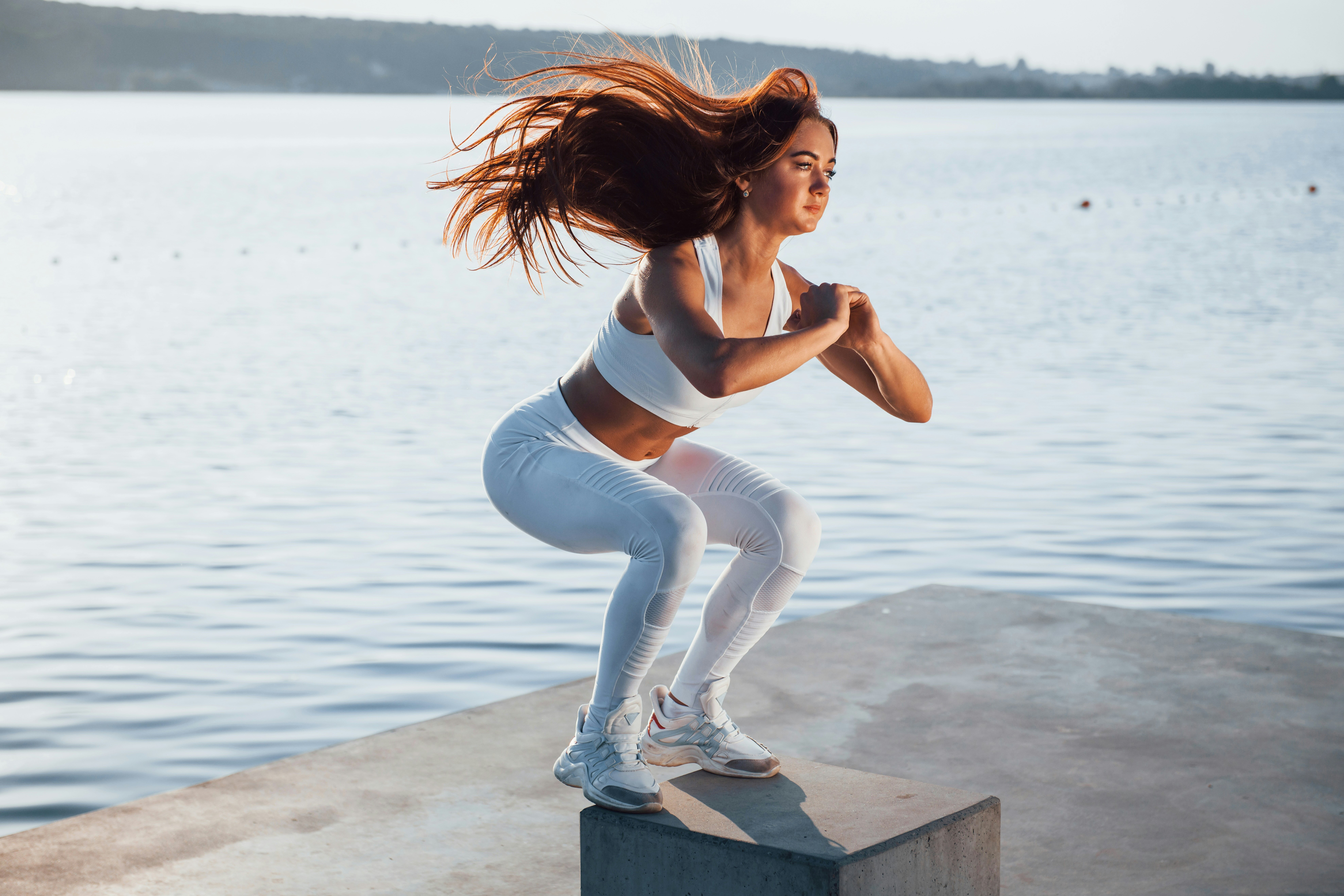
Start with your environment. Where you train matters enormously to the visual quality of your content. A well-lit gym with interesting architectural details, an outdoor training space with a natural backdrop, a clean and organized home gym — all of these create stronger visual interest than a cluttered, poorly lit space. If you train at a commercial gym, scout for the best-lit corners and the most photogenic backdrops. Light is everything: natural light from windows, warm golden-hour outdoor light, and well-positioned ring lights can transform ordinary footage into something worth stopping for.
Next, consider your color palette. The fitness content that performs best on Instagram tends to have a consistent visual tone — whether that's the cool blues and grays of a minimalist aesthetic, the warm earth tones of a wellness-forward brand, or the bold saturated colors of high-energy athletic content. Your workout wear, your environment, and your editing style should work together rather than at cross-purposes. A consistent color palette makes your feed look intentional and professional even on a phone camera and a free editing app.
Train Movements That Translate Well on Camera
Not all exercises are created equal from a visual standpoint. Some movements are inherently more dynamic, more visually interesting, and more satisfying to watch than others — and building your routine around movements that photograph and film well is a legitimate strategy, not a superficial one.
Compound, full-body movements tend to perform best visually. Deadlifts, squats, clean and press, kettlebell swings, pull-ups, push presses — these movements engage multiple muscle groups, produce visible muscular effort, and have a satisfying arc from start to finish that makes for compelling short video. Bodyweight movements like handstands, pistol squats, and gymnastics-adjacent skills are extraordinarily popular on Instagram because skill-based movement has an aspirational quality that pure strength work sometimes lacks.
Cardio-based content performs differently but equally well when it's set in striking environments — trail runs through forest or coastline, open-water swimming, outdoor cycling through interesting terrain. The environment becomes part of the content, and the movement becomes a vehicle for showcasing a lifestyle rather than just a workout.
Document the Process, Not Just the Peak
One of the most common mistakes aspiring fitness creators make is only posting their best moments — the heaviest lift, the sharpest physique shot, the most impressive skill. This approach produces sporadic content with no connective tissue and no story arc. Instagram rewards consistency and authenticity far more reliably than occasional perfection.
Document the process. Post the workout you didn't feel like doing and did anyway. Show the mobility work and the recovery days alongside the training sessions. Share the progression — the failed rep before the successful one, the early attempt at a skill before the polished version. This kind of content does two things that matter enormously on social platforms: it builds trust, and it invites identification. People don't just want to see where you are. They want to see how you got there and whether they could too.
Stories and Reels are your daily diary; the grid is your highlight reel. Use both. The grid sets the visual standard for your brand. Stories and Reels create the daily touchpoints that build genuine connection with an audience.
Caption With Intention
The visual stops the scroll. The caption is what earns the follow. Fitness content that pairs strong visuals with thoughtful, honest, useful writing consistently outperforms content that treats captions as an afterthought.
You don't need to write essays — though long-form captions perform well when the writing is genuinely engaging. What you do need is a point of view. What did this workout teach you? What did you struggle with this week and why does it matter? What do you want your audience to feel or know or try? Captions that offer real value — a training tip, an honest reflection, a specific piece of advice — give people a reason to engage beyond a passive double-tap.
Avoid the trap of generic motivational language. "Grind never stops" and "no days off" are so thoroughly overused as to communicate nothing. Specificity is always more compelling than generality. Specific exercises, specific feelings, specific lessons — these are what make fitness content feel real rather than performed.
Build the Routine Before You Build the Brand
The order of operations matters. Build the routine first — the actual training practice that challenges your body, develops your skills, and produces genuine results. Get consistent with it before you get consistent with posting. Learn what you love about moving your body before you start packaging it for an audience.
The Instagram-worthy fitness routine is, at its best, simply a genuine fitness routine that has been made visible. The aesthetics, the consistency, the storytelling, the visual identity — all of it works in service of something real underneath. That foundation is what separates the accounts that last from the ones that flare up and fade.
Earn the content. The rest follows.