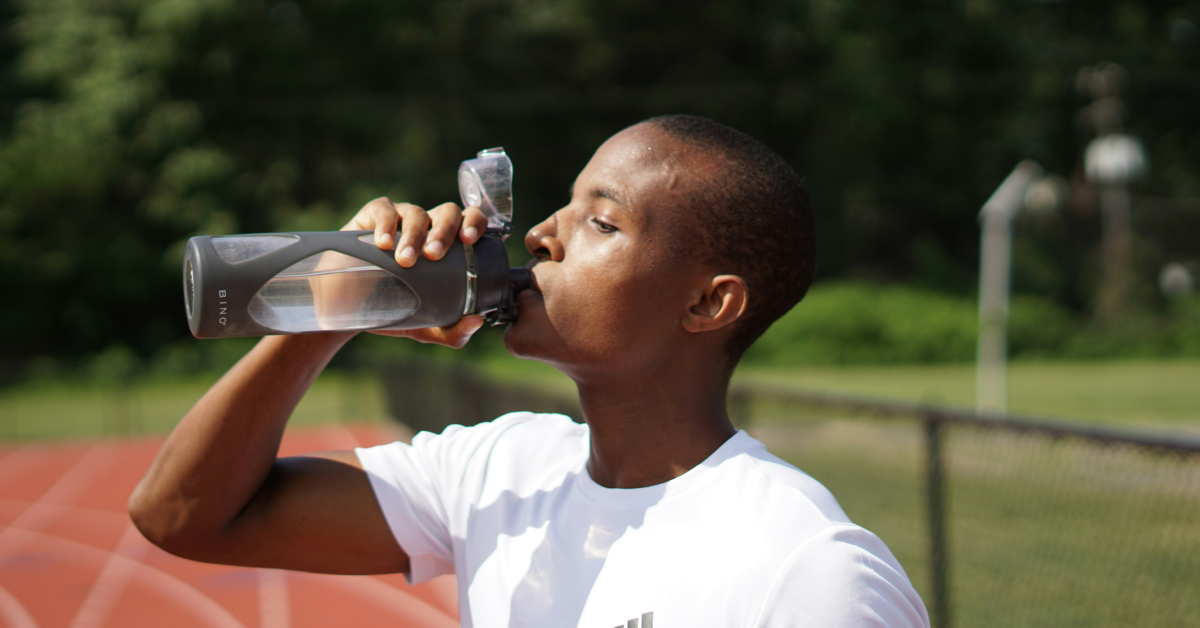
For decades, hydration advice for endurance athletes was simple: drink water, and drink plenty of it. Athletes were encouraged to consume fluid continuously to stay ahead of thirst and offset weight lost through sweat.
Yet, as ultra-endurance events grew in popularity, sports medicine practitioners began noticing a alarming trend. Athletes were collapsing at finish lines not from dehydration, but from acute hyponatremia—a life-threatening condition caused by over-diluting blood sodium levels with excess plain water.
Modern exercise physiology has revealed that proper hydration is far more complex than filling a liquid vessel. Real performance hydration is governed by cellular osmolality—the precise concentration of solutes inside and outside your cells.
When you understand how your body regulates fluid balance at the cellular level, you can transform your hydration strategy from a passive safety measure into an active driver of endurance output.
What Is Cellular Osmolality?
To understand how fluid moves inside the human body, you must look at the mechanics of osmosis. Water flows across semi-permeable cell membranes toward areas of higher solute concentration to achieve equilibrium.
Osmolality refers to the number of dissolved particles (solutes) per kilogram of solvent (water). Blood plasma osmolality normally ranges between 275 and 295 mOsm/kg. The primary driver of extracellular osmolality is sodium, along with chloride and bicarbonate. Inside muscle cells (intracellular fluid), osmolality is governed primarily by potassium and organic osmolytes.
When you sweat during prolonged exercise, you lose both water and electrolytes (mainly sodium). How you replace these losses alters plasma osmolality, directly dictating whether fluid enters your active muscle cells or gets trapped in your digestive tract.
The Physiological Consequences of Osmotic Mismatch
When cellular osmolality falls out of balance during sustained exercise, endurance performance degrades rapidly through two distinct physiological pathways.
1. The Dilution Trap: Hyponatremia and Cellular Swelling
When an athlete drinks large volumes of plain, electrolyte-free water while sweating heavily, blood plasma becomes diluted. Plasma osmolality drops below normal levels, creating a concentration gradient where the inside of cells has a higher solute concentration than the surrounding fluid.
By the laws of osmosis, water rushes out of the bloodstream and into tissue cells, causing them to swell. In muscle tissue, this impairs force production. In brain tissue (cerebral edema), it leads to confusion, nausea, dizziness, and in severe cases, seizures or coma.
Even mild exercise-associated hyponatremia severely reduces aerobic capacity long before clinical symptoms appear.
2. The Hypertonic Trap: Plasma Volume Loss and Thermal Strain
Conversely, if an athlete consumes hypertonic beverages (gels or drinks with excessive sugar and electrolyte concentrations above blood plasma osmolality), a reverse osmotic shift occurs.
To dilute the dense, sugary liquid sitting in the stomach and small intestine, your body pulls water out of the bloodstream and into the gut lumen.
This temporary drop in plasma volume reduces cardiac stroke volume, forces your heart rate higher at any given workload (cardiac drift), and impairs your body's ability to pump warm blood to the skin for evaporative cooling.
The Role of Sodium and Active Transport in the Gut
Achieving optimal fluid delivery during endurance exercise depends on how quickly liquid moves from your stomach into the small intestine, and across the intestinal wall into the bloodstream.
Plain water relies on passive diffusion, which is relatively slow. However, the human small intestine utilizes a specialized protein transport system known as the Sodium-Glucose Cotransporter (SGLT1).
When sodium and glucose are present together in optimal ratios:
- The SGLT1 protein binds two sodium ions and one glucose molecule simultaneously.
- It actively transports them across the intestinal lining into blood circulation.
- This rapid movement of solutes creates an osmotic draw that pulls water along with it at rates significantly faster than plain water alone.
This mechanism is the foundation of Oral Rehydration Therapy (ORT) and explains why scientifically formulated sports drinks hydrate the body far more effectively during high-output endurance efforts than plain water.
How to Structure Your Fuel and Fluid Strategy
To maintain cellular osmolality and optimize gut absorption during long training sessions or races, classify your fueling liquids by their tonicity relative to human blood plasma (~280–290 mOsm/kg).
Hypotonic Drinks (100–220 mOsm/kg)
- Composition: Low carbohydrate content (1% to 3%), moderate to high sodium content (300–500mg per 500ml).
- Primary Use: Extremely hot conditions where sweat rates are high, but caloric demands are met through solid fuels or gels.
- Mechanism: Leaves the stomach quickly and absorbs rapidly across the intestinal wall without causing gut distress.
Isotonic Drinks (270–300 mOsm/kg)
- Composition: Moderate carbohydrate content (6% to 8%), balanced sodium content (200–400mg per 500ml).
- Primary Use: Standard endurance efforts lasting 60 minutes to 3 hours where fluid and energy needs are balanced.
- Mechanism: Matches plasma osmolality, providing an equal balance of fluid replacement and carbohydrate delivery.
Hypertonic Drinks (330+ mOsm/kg)
- Composition: High carbohydrate concentration (10%+), concentrated energy gels or thick liquid fuels.
- Primary Use: Recovery post-workout, or slow-paced ultra-endurance events where high calorie intake is prioritized over rapid fluid delivery.
- Mechanism: Absorbs slowly and pulls fluid into the gut. Must always be consumed alongside plain water to avoid stomach cramping and dehydration.
Practical Action Steps for Athletes
- Calculate Your Sweat Sodium Rate: Sweat sodium concentrations vary wildly among individuals, ranging from 200mg to over 1,500mg of sodium per liter of sweat. Saliva or sweat testing strips can help tailor your specific intake.
- Match Drink Tonicity to Heat and Duration: In extreme heat, favor hypotonic hydration mixes high in sodium to maximize fluid uptake. In cool weather where sweat rates drop, isotonic or calorie-dense options work well.
- Avoid Washing Down Gels with Sports Drink: Gels are hypertonic. Taking a gel with an isotonic sports drink creates a dense, hypertonic environment in your gut, leading to GI distress. Always wash down concentrated energy gels with plain water.
The Hydration Paradigm Shift
True athletic endurance requires far more than quenching thirst with plain water. By managing cellular osmolality through precise sodium and carbohydrate delivery, you protect your plasma volume, optimize nutrient absorption via SGLT1 transporters, and safeguard your cells against osmotic stress.
Reframing hydration as cellular osmolality management ensures that every sip you take actively supports high cardiovascular output and sustained muscular endurance.