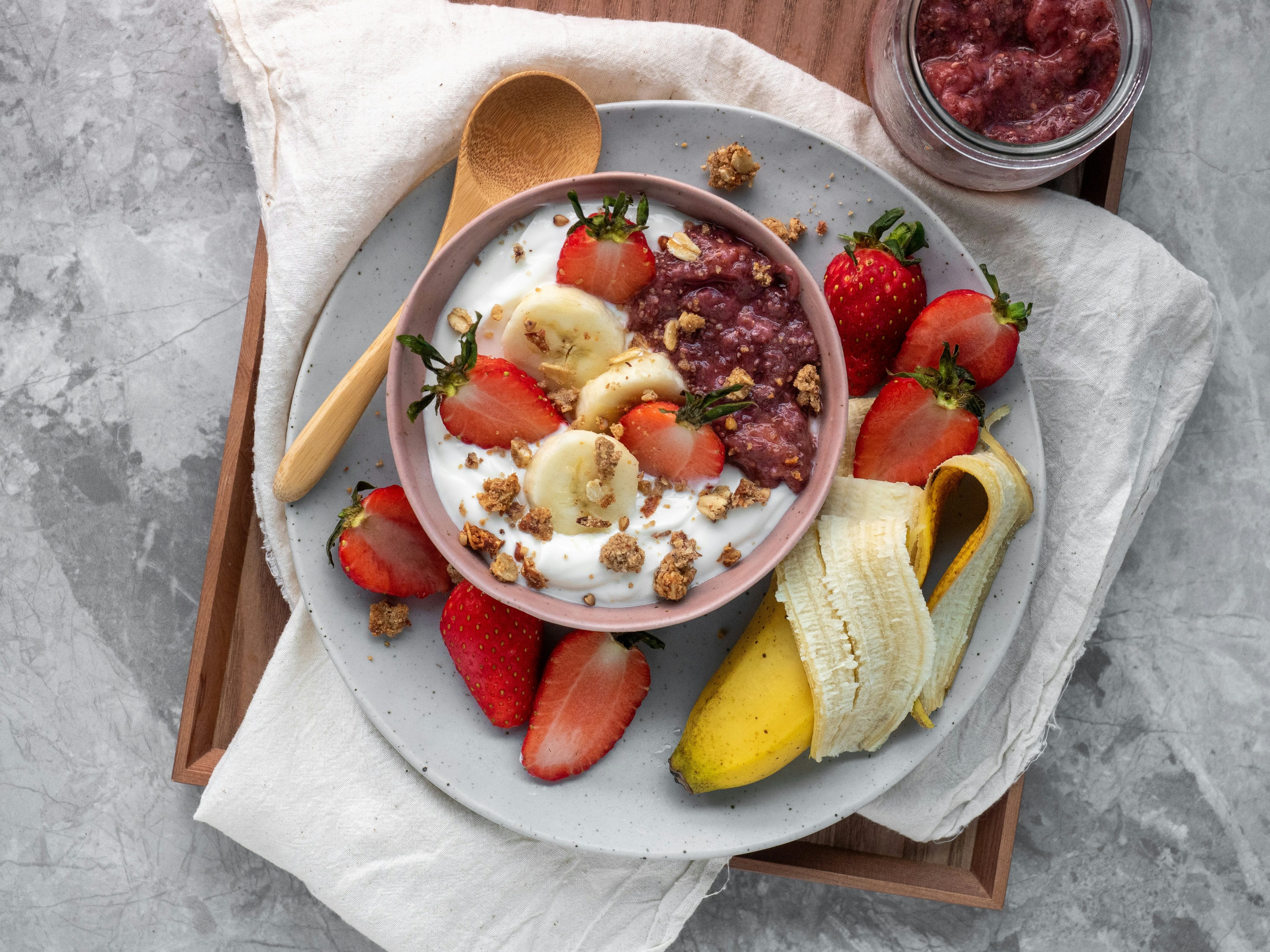
In mainstream fitness spaces, snacking is frequently discussed in the context of behavioral control or caloric restriction. Casual gym-goers routinely reach for low-calorie snack packs or processed diet bars. For serious individuals striving to meet elite fitness standards, this casual approach to nutrition is a missed opportunity. Your body is a high-performance machine, and every nutritional input should serve a purpose. For hybrid athletes balancing heavy lifting sessions with intense cardiovascular work, snacks are not emotional treats. They are strategic fueling windows designed to maintain glycogen levels, support tissue repair, and optimize your fitness performance.
True development requires a data-driven approach to every meal. Shifting your focus from mindlessly restricting calories to maximizing nutrient density transforms your nutrition into a functional tool that supports sustainable performance-based fitness.
The Bioenergetics of Smart Snacking
To select the right nutritious snacks, you must understand how your body utilizes nutrients during periods of high physical stress. High-intensity strength and conditioning sessions rely on carbohydrates, stored as glycogen, to produce rapid adenosine triphosphate (ATP). Entering a demanding conditioning track with depleted glycogen stores causes your power output to drop, your reaction times to slow, and your training density to collapse.
Snacking serves as an acute tool to manage these internal energy states between your main meals. A well-timed snack prevents the systemic drop in blood glucose that causes premature fatigue during training. Furthermore, providing a steady supply of essential amino acids ensures that your body maintains a positive net protein balance. This continuous nutrient availability prevents the breakdown of hard-earned muscle tissue and accelerates your recovery kinetics, allowing you to return to your next training block fully repaired.
Pre-Workout Fueling: Prioritizing Gastric Comfort
The primary objective of a pre-workout snack is to deliver fast-acting energy without causing digestive distress. Consuming a snack too high in fat, fiber, or complex protein forces your body to redirect significant blood flow to your stomach to manage digestion. This creates an internal conflict when your active skeletal muscles simultaneously demand increased blood flow to produce force.
To optimize your pre-workout windows, choose snacks that are rich in simple carbohydrates and exceptionally low in fat and fiber. These options pass through the stomach rapidly, providing a fast spike in blood glucose that your muscles can immediately utilize for fuel.
Excellent pre-workout snack options include:
- Ripe Bananas with Honey: Delivers a concentrated dose of easily digestible fructose and glucose to top off liver and muscle glycogen stores quickly.
- Cream of Rice with Sea Salt: Provides a clean, fast-absorbing carbohydrate source that is highly stable in the digestive tract, ensuring maximum comfort during explosive movements.
- Low-Fat Rice Cakes with Pure Fruit Spread: Offers a crisp, light, and rapidly digestible glucose source that primes your nervous system without adding unneeded digestive mass.
Consuming these carbohydrates thirty to sixty minutes before your session ensures your cardiovascular engine remains fueled without compromising your comfort during complex multi-planar tasks or mobility training sets.
Post-Workout Recovery: Preserving the Amino Acid Pool
After an intense training session, your physiological priorities shift from energy output to cellular repair. Heavy lifting creates microscopic tears in muscle fibers, triggering an acute inflammatory response that requires amino acids to rebuild tissue stronger. This post-workout window is the ideal time to consume high-quality protein combined with moderate carbohydrates.
The combination of protein and carbohydrates creates a synergistic effect, triggering a moderate insulin spike to shuttle amino acids directly into damaged muscle cells and kickstart muscle protein synthesis.
Optimal post-workout recovery snacks rely on clean, whole food sources:
- Plain Greek Yogurt with Blueberries: Supplies a dense dose of fast-acting whey and slow-digesting casein proteins alongside antioxidant-rich carbohydrates to combat systemic oxidative stress.
- Hard-Boiled Eggs and an Orange: Provides an exceptionally high-quality whole protein source rich in leucine, a key amino acid that triggers tissue repair, paired with vitamin C to support collagen synthesis.
- Grass-Fed Beef Jerky and Dried Fruit: Delivers a highly portable, shelf-stable shot of lean protein and sodium to replenish lost electrolytes, combined with dense carbohydrates for immediate glycogen restoration.
Consistently fueling your body within the post-training recovery window protects lean muscle mass and shortens regeneration time.
The Convenience Trap: Real Food Versus Ultra-Processed Bars
The modern health food industry relies heavily on convenience marketing. Grocery aisles are packed with protein cookies, diet bars, and pre-packaged shakes that claim to be the ultimate fitness fuel. While these products are highly convenient for a busy schedule, a closer look at the ingredient labels reveals significant flaws that can hinder your long-term fitness rankings goals.
Many commercial snacks are highly processed and packed with artificial sweeteners, binding agents, and cheap protein blends. These ingredients frequently cause bloating, inflammation, and gut microbiome disruption. True performance nutrition requires looking past flashy marketing logos to prioritize whole, single-ingredient options. Real food contains natural enzymes and micronutrients that cannot be replicated in a laboratory. Prioritizing natural, nutrient-dense snacks improves your metabolic efficiency and builds a resilient physical structure.
Integrating Nutrition with Your Training Log
To maintain a superior position on competitive leaderboards, your snacking protocol must be quantified, tracked, and adjusted based on the physical demands of your week.
An engineered fueling strategy relies on tracking key metrics in your training journal:
- The Carbohydrate Timing Index: Record the exact timing of your pre-workout snacks to determine the optimal digestive window for your specific metabolic rate.
- Symmetrical Macronutrient Matching: Adjust your snack sizes based on the density of your training days, increasing your carbohydrate intake on heavy lifting days and prioritizing healthy fats on active recovery days.
- Hydration Coordination Metrics: Always pair your physical snacks with adequate fluid intake to ensure that water soluble nutrients can be absorbed efficiently by the gut.
By documenting these objective data points in your training journal, you remove emotional guesswork, transforming your nutrition into a clear measure of athletic capability.
Conclusion
True physical capability is not an accidental outcome born from random effort and poor nutritional choices. Elite fitness standards require an unyielding commitment to consistency and structural discipline. Nutritious snacks are not optional treats; they are an active investment in your work capacity, tissue repair, and athletic longevity.