In the quest for peak physical performance, athletes and lifters often spend considerable time and money optimizing intra workout carbohydrates and pre workout supplements. They down scoopfuls of high caffeine powders fifteen minutes before hitting the gym or sip sugar laden drinks between sets. Yet, many completely overlook the single most important window for fueling a high intensity session: the whole food meal consumed three hours before training.
What you consume three hours before lifting or running dictates gastric emptying rates, blood glucose stability, core body temperature, and gastrointestinal comfort.
While an immediate pre workout supplement provides a temporary central nervous system spike, your pre workout meal three hours prior builds the biological substrate that fuels muscular work. Understanding how macronutrient composition affects digestion and nutrient delivery turns your pre workout meal into a reliable performance enhancer.
The Physiology of the Three Hour Window
The three hour timeframe is not an arbitrary rule. It aligns with human digestive physiology.
When you consume a substantial meal, your gastrointestinal system begins a complex process of mechanical breakdown, enzymatic cleavage, and nutrient absorption. Depending on macronutrient composition, a complete whole food meal takes anywhere from two to four hours to pass from the stomach into the small intestine, where nutrient absorption peaks.
Timing a balanced meal three hours before training aligns the peak of nutrient availability in the bloodstream directly with the start of your workout.
Furthermore, digestion requires significant blood flow. Following a heavy meal, the parasympathetic nervous system directs a substantial portion of cardiac output toward the stomach and intestines to support digestion.
If you train too soon after eating, your sympathetic nervous system activates, forcing the cardiovascular system to pull blood away from the digestive tract and route it toward working skeletal muscles. This physiological tug of war causes acute stomach cramps, nausea, sluggishness, and poor muscular pumps.
Waiting three hours allows gastric emptying to wrap up, freeing up your cardiovascular system to deliver oxygenated blood exclusively to working muscle tissue.
Designing the Optimal 3 Hour Pre Workout Meal
Optimizing a meal three hours prior to training requires a strategic balance of macronutrients. Each nutrient plays a specific role in preparing the body for intense physical output.
1. Carbohydrates: Filling Glycogen Stores and Sustaining Blood Sugar
Carbohydrates are the primary fuel for high intensity anaerobic training and heavy resistance exercise. The main objective of the three hour meal is to optimize muscle and liver glycogen stores while establishing stable blood glucose levels.
Because you have three full hours before moving heavy loads, this meal should rely primarily on complex, low to moderate glycemic index carbohydrates rather than fast acting simple sugars. Complex carbohydrates provide a sustained release of glucose into the bloodstream, avoiding sudden insulin spikes followed by reactive hypoglycemia midway through your workout.
Excellent choices include sweet potatoes, oats, brown or white rice, quinoa, and whole grain breads.
2. Protein: Priming Muscle Protein Synthesis and Preventing Breakdown
Consuming a dense, high quality protein source three hours before training delivers a steady flow of essential amino acids, particularly leucine, into the bloodstream.
Hard physical training accelerates muscle protein breakdown. Having elevated levels of systemic amino acids during your session attenuates this breakdown and initiates muscle protein synthesis before you even finish your last set.
A meal containing 30 to 40 grams of complete protein provides a sufficient dose to maximize muscle protein synthesis without overwhelming digestion.
Excellent choices include chicken breast, turkey, white fish, lean beef, egg whites, or tofu.
3. Fats: The Gastrointestinal Double Edged Sword
Fat is a vital macronutrient, but it presents a distinct challenge in pre workout nutrition. Dietary fats slow gastric emptying significantly.
Consuming a high fat meal three hours before training delays carbohydrate digestion, keeping food sitting in your stomach far longer than desired. When fat intake is too high, blood glucose levels peak long after your workout has finished, leaving you under fueled during the session and prone to digestive discomfort.
The three hour pre workout meal should remain strictly low to moderate in fat. Limit fat intake to 10 to 15 grams to support slow, steady digestion without stalling gastric emptying.
Minimal additions include a small amount of olive oil, avocado, or the natural fats present in lean protein sources.
4. Fiber: Balancing Satiety and Gut Comfort
Dietary fiber slows nutrient absorption and supports gut health. However, like fat, excessive fiber right before physical exertion causes bloating, gas, and abdominal distress. Keep fiber moderate during this specific meal, saving high fiber legumes, cruciferous vegetables, and massive salads for post workout recovery.
Pre Workout Meal Templates
To translate these physiological principles into practice, your meal three hours before training should maintain a macronutrient ratio roughly focused on high complex carbohydrates, moderate lean protein, low fat, and low to moderate fiber.
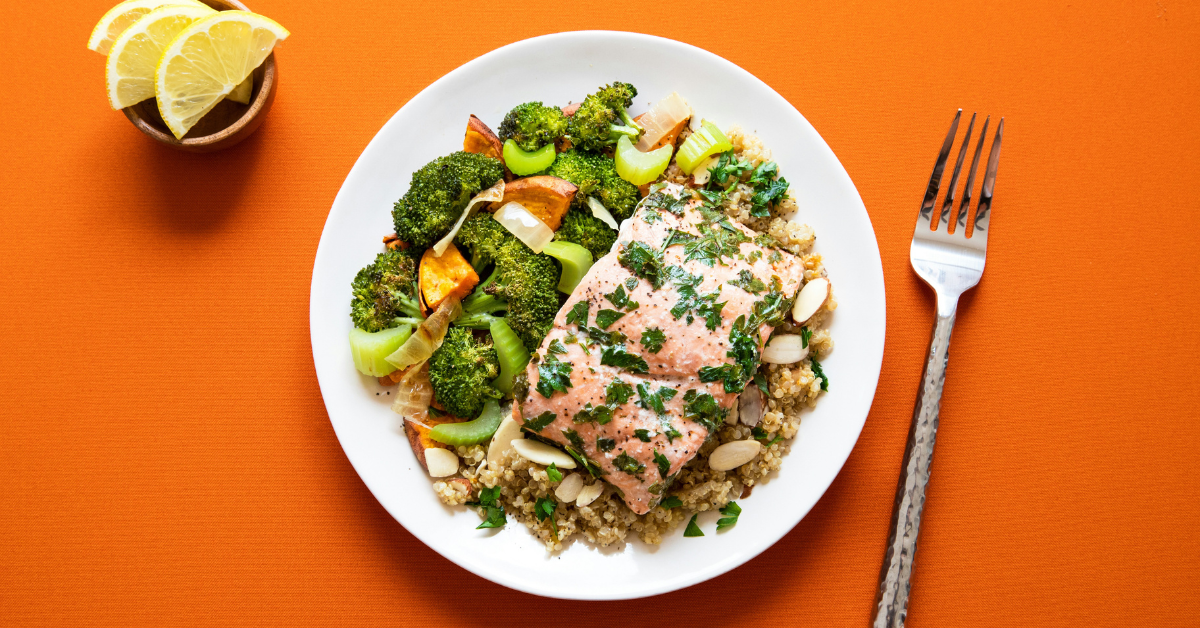
For example, an effective pre workout meal composition includes:Option 1: Grilled chicken breast served with roasted sweet potatoes and steamed zucchini lightly drizzled with olive oil.Option 2: Lean ground turkey served over white jasmine rice with a side of cooked spinach.Option 3: Whole oats cooked in water mixed with whey protein isolate, topped with sliced banana and a small spoonful of almond butter.
Each of these options offers an optimal ratio of complex carbohydrates, easily digestible complete protein, and controlled fat content, ensuring full digestion within the three hour window.
Fine Tuning for Individual Variability
While three hours serves as the gold standard baseline for whole food digestion, individual tolerances vary based on metabolic rate, body mass, and training modality.
Harder, prolonged training sessions like heavy leg days or long endurance runs demand strict adherence to the three hour window to prevent gastrointestinal distress. Conversely, light upper body isolation sessions may tolerate a slightly smaller meal eaten two hours before training.
Additionally, athletes with slower digestive transit times may benefit from expanding the window to three and a half hours, while those with rapid metabolisms might find two and a half hours to be their personal sweet spot.
The Foundation of Training Fuel
Achieving an outstanding workout is rarely the result of a last minute pre workout drink or a sugar rush minutes before your warm up. True physical readiness is built on the foundation of proper digestively aligned nutrition.
By structuring a balanced meal composed of complex carbohydrates, lean protein, and minimal fats three hours before your session, you ensure peak blood glucose, elevated amino acid availability, and complete gastrointestinal comfort. Respect the physiological timeline of digestion, and your body will reward you with sustained energy, superior strength, and unbroken training performance.