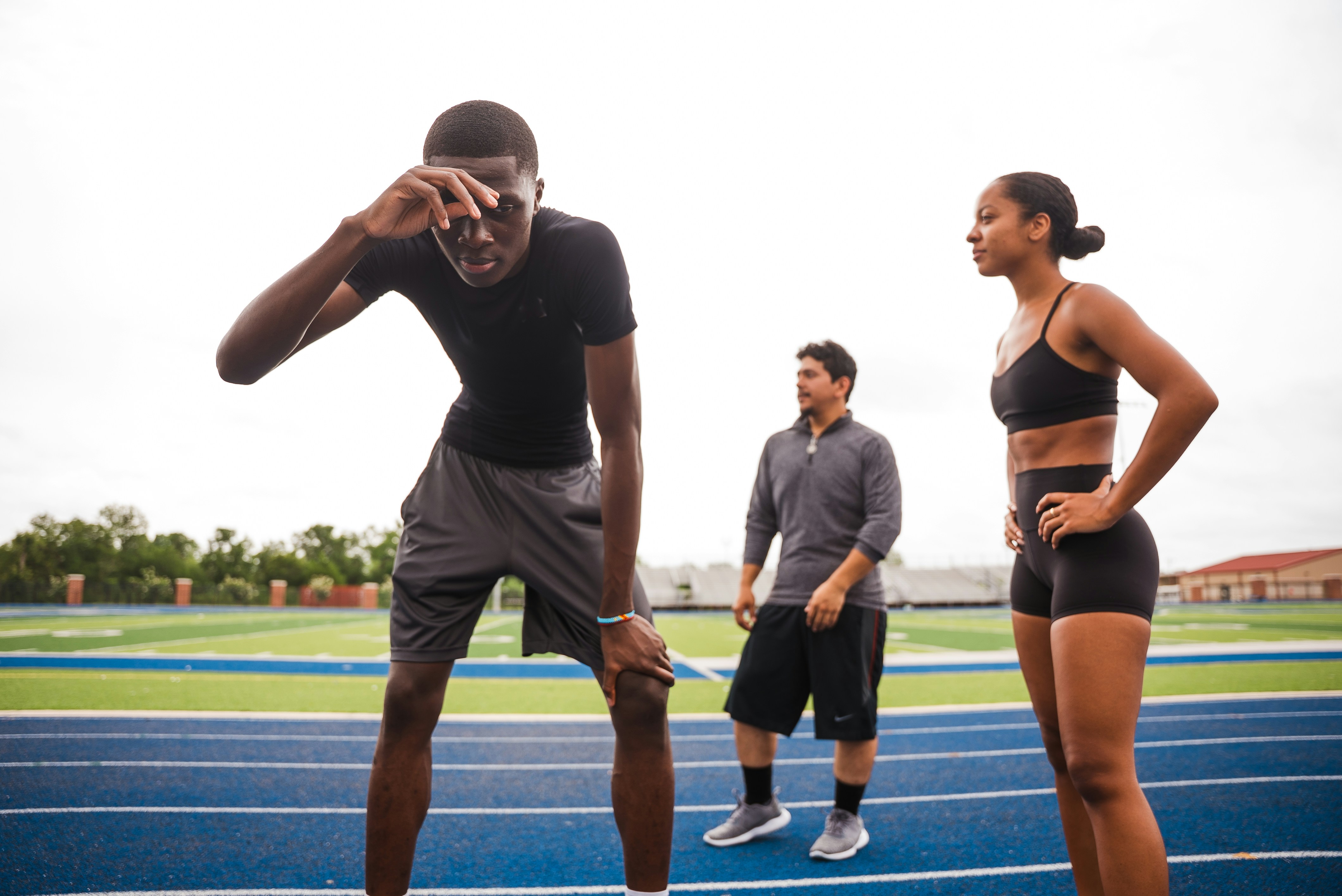
The modern arena of high-threshold training demands exceptional neurological output. To achieve elite status, athletes subject their bodies to extreme forces, pushing through fatigue, lactic accumulation, and mechanical strain. Within this culture, an unyielding work ethic is celebrated as the ultimate asset. Yet, an aggressive mindset becomes a liability when it blinds the competitor to internal warnings of structural failure. The determination to complete another repetition can override sensory data signaling that a joint capsule or muscle spindle has reached its biological limit. True mastery requires balancing intense effort with acute self-awareness. To build a resilient engine, practitioners must master somatic interoception—the capacity to perceive, interpret, and act upon internal signals.
The Neurobiology of Internal Awareness
Somatic interoception is the physiological mechanism through which the brain monitors the internal state of the body. Unlike exteroception, which processes external stimuli like sight and sound, interoception maps internal physiological conditions—tracking heart rate, breathing depth, muscle tension, and joint pressure. In performance-based fitness, this system serves as a diagnostic tool, providing a direct link between the motor cortex and the peripheral musculoskeletal framework.
During execution, sensory data travels up the spinal cord to the insular cortex, the brain region responsible for processing interoceptive signals. An athlete with high fitness performance possesses a refined insular cortex, allowing them to differentiate between the productive discomfort of metabolic fatigue and the acute distress of tissue degradation. This neurological precision prevents the ego from overriding biological boundaries, transforming the mind from a blunt instrument of pure effort into a regulatory system capable of optimizing output while preserving structural longevity.
Mitigating Training Anxiety Through Proprioceptive Control
A developed interoceptive system plays a vital role in managing the psychological anxiety that accompanies high-stakes training. When athletes operate near absolute thresholds, the fear of trauma or re-injury can create subconscious movement hesitation. This inhibition disrupts clean biomechanics, reduces motor unit recruitment, and lowers output. This anxiety is frequently rooted in a disconnect between the brain's perception of capability and the actual structural readiness of the tissue.
Integrating structured mobility training provides the nervous system with data required to dissolve this anxiety. By moving joints through deliberate ranges of motion, the athlete stimulates mechanoreceptors and proprioceptors within the joint capsule. This feeds clear positional data back to the brain, reassuring the amygdala that the movement pathway is safe. As the brain verifies active control under low-stress conditions, it removes the neurological brakes that restrict power output during explosive contractions. True mobility work is an essential psychological intervention, establishing the cognitive confidence needed to execute demanding movements without hesitation.
Deconstructing the Ego on the Platform
The classical culture of strength and conditioning has frequently promoted a counterproductive ethos: the belief that pain is merely an entry fee for athletic progression. This mentality encourages athletes to suppress physical feedback, relying on external motivators to numb the body’s natural defense mechanisms. Suppressing internal data loops creates sensory blindness, leaving the athlete unable to recognize the exact point where productive training transitions into mechanical self-destruction.
A ranked competitor rejects this superficial approach, understanding that physical authority requires cognitive presence. On the platform, interoception demands a deliberate auditing of movement quality during every phase of a lift. It requires the athlete to feel the weight distribution across the foot, the tension within the abdominal wall, and joint capsule rotation. This focus removes emotion from the session, replacing reckless bravado with a clinical focus on execution. The platform is a laboratory where success is dictated by how cleanly intent translates into precise biomechanical movement.
Integrating Mindful Mobility into High-Threshold Cycles
Cultivating somatic interoception requires a structured approach. For hybrid athletes navigating the distinct stressors of heavy compound lifting and prolonged cardiovascular output, developing this internal awareness is critical. It requires implementing dedicated transition zones within the training microcycle—intentional periods designed to shift the nervous system from a high-alert sympathetic state into a focused, parasympathetic state.
An effective framework for developing this internal awareness utilizes specific movement protocols:
- Controlled Articular Rotations: Slow, maximal-range joint circles executed with high tension to map active joint boundaries.
- Isolative Isometrics: Applying targeted isometric force at end-ranges of motion to teach the nervous system how to safely stabilize positions.
- Down-Regulation Breathwork: Using prolonged exhalations following high-intensity intervals to lower heart rate and sharpen focus on internal recovery.
- Biomechanical Auditing: Performing low-load variations of primary lifts with closed eyes to isolate internal sensory data.
By allocating dedicated periods to these mindful movement practices, athletes ensure that their nervous system maintains a clear, updated map of their physical architecture, establishing a foundation that allows them to consistently meet elite fitness standards.
Establishing Interoception as an Elite Requirement
Ultimately, athletic career longevity is determined by the intelligence of the mind governing the engine. The fitness landscape features many who possessed exceptional raw physical traits but collapsed prematurely due to a total lack of internal awareness. Treating their bodies as disposable instruments, they ignored structural warning signs until catastrophic failure forced regression. A true culture of athletic excellence must elevate internal awareness to a position of prestige.
Developing this internal connection demands personal discipline. It requires the humility to reduce the load when a joint signals a mechanical leak, and the focus to prioritize movement quality over public applause. This practice separates the short-lived sensation from the enduring competitor. When you view your physical framework as an instrument designed for long-term capability, cultivating internal awareness becomes a vital performance strategy.
Conclusion
The pursuit of absolute physical mastery is an ongoing dialogue between the mind's intent and the body's structural reality. To demand maximal force from your muscles while ignoring sensory data from your joints is a fundamental error that always leads to a forced regression. True structural resilience is built in the quiet, focused moments of deliberate internal auditing, where movement patterns are refined and biological limits are respected. Reject the short-sighted philosophy that measures success purely by immediate, unmanaged output. Invest heavily in your neurological awareness, honor the precise feedback of your kinetic chain, and build a physical foundation that refuses to compromise over time. Command your positions, verify your internal readiness, and secure an enduring athletic legacy through the unyielding practice of performance-first discipline.