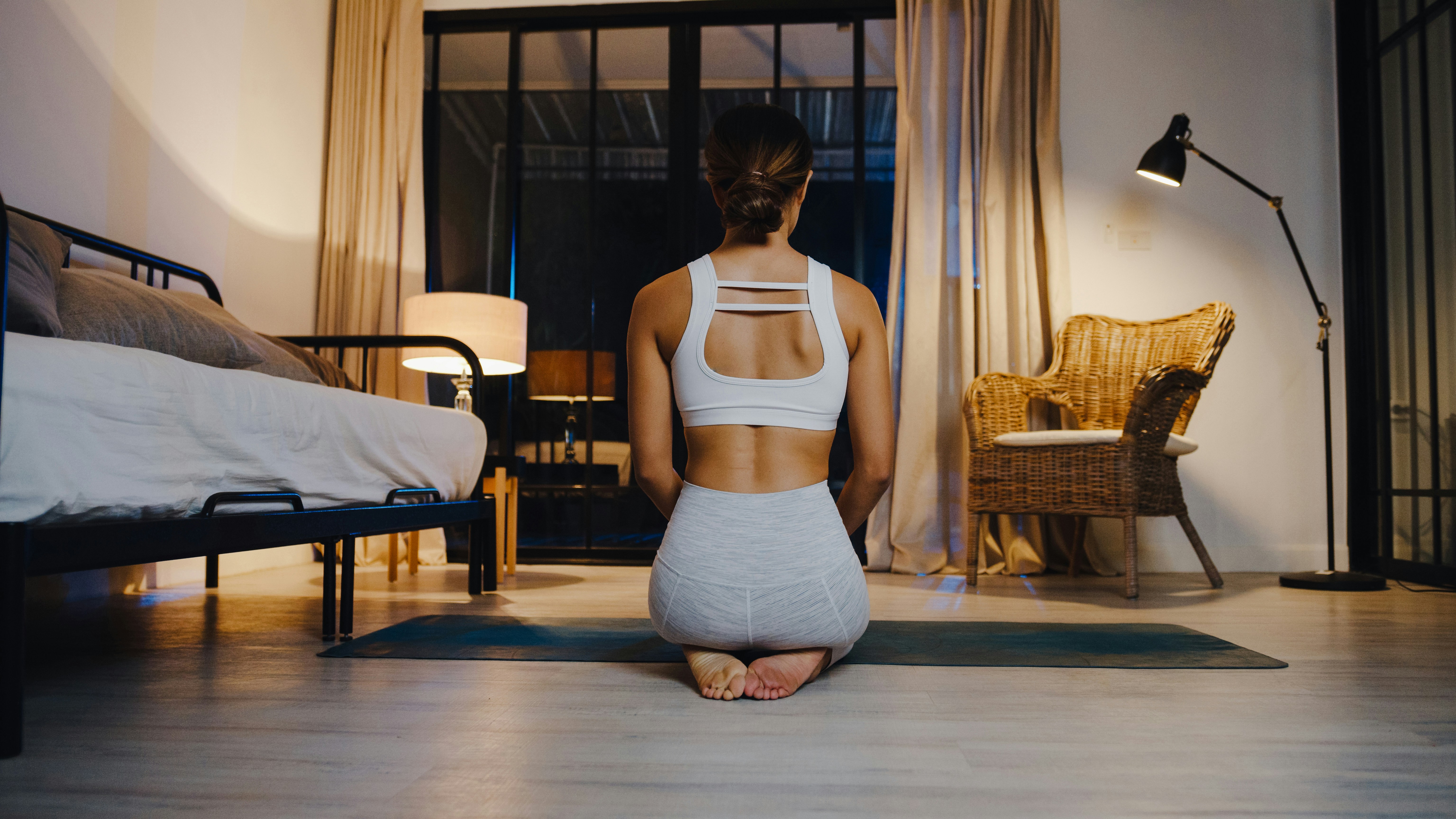
High-performance training is obsessed with advanced optimization tools like targeted supplementation and cryotherapy chambers. In a training culture built on performance-based fitness, these interventions are elevated to high status. Yet, a severe contradiction exists. Many individuals complete a brutal training session, only to spend the final hours of their day staring into digital screens in bed. This evening habit introduces a major barrier to internal recovery biology. True fitness performance cannot be achieved if your sleep architecture is structurally fractured by artificial light. To meet elite fitness standards, an athlete must look past external gadgets and establish a strict blue light ceiling to protect their natural evening melatonin surge.
How Artificial Light Halts Hormone Synthesis
Understanding why screen exposure limits training adaptation requires analyzing the neurobiology of the human circadian rhythm. The body operates on a biological clock regulated by the master pacemaker in the brain known as the suprachiasmatic nucleus. This internal pacemaker relies on environmental light cues to synchronize hormone secretion, body temperature regulation, and cellular repair. Historically, the decline of natural sunlight at dusk signaled the brain to begin synthesizing melatonin—the hormone responsible for lowering core temperature, inducing sleepiness, and initiating deep tissue recovery.
The introduction of modern light-emitting diode (LED) screens on smartphones and monitors has disrupted this natural biological timeline. These digital screens emit blue light in the 460 to 480 nanometer range, matching peak solar intensity during daylight hours. When this blue light hits retinal photoreceptors, it signals the suprachiasmatic nucleus that it is solar noon. The brain reacts by immediately suppressing melatonin production, halting the natural hormonal surge that guides the body into deep sleep. A brief window of screen exposure before bed can delay melatonin release by several hours, keeping the internal environment locked in an artificial daytime state.
Shifting from Digital Stimulation to Autonomic Down-Regulation
The biological penalty of artificial light exposure goes far beyond simple wakefulness. When melatonin production is suppressed, the body is mechanically prevented from entering deep, slow-wave sleep stages. Deep sleep is the window where growth hormone and testosterone are released to repair muscle tearing, reduce systemic inflammation, and restore glycogen reserves. Disrupting this window leaves your body in a catabolic environment, stalling adaptation.
Furthermore, viewing high-stimulation media right before sleep triggers cognitive alertness. This mental stimulation causes a surge of cortisol and adrenaline, keeping the autonomic nervous system trapped in sympathetic dominance. Instead of transitioning into a calm, pandasympathetic rest state, the central nervous system remains highly alert. The resulting sleep is shallow, fragmented, and inefficient. For hybrid athletes who challenge their boundaries, this lack of restorative sleep leads directly to chronic fatigue, joint stiffness, and elevated injury risk. Protecting your recovery requires setting a firm boundary on evening digital inputs, ensuring the nervous system can transition to deep cellular reconstruction.
The 60-Minute Screen-Free Boundary
Establishing an effective blue light ceiling requires removing emotional decision-making from your evening routine. You cannot rely on willpower to close your devices when the brain is stimulated by infinite scrolling. To protect your natural hormonal surges, treat your evening environment with the discipline you bring to your lifting sets or nutrition plans.
An effective, simplified protocol for stabilizing your evening circadian rhythm relies on a checklist of environmental adjustments:
- Enforce the 60-Minute Curfew: Power down all primary digital screens—including smartphones, tablets, and personal computers—sixty minutes prior to your target bedtime window.
- Swap to Low-Lux Ambient Lighting: Eliminate overhead fluorescent lighting in your living space during the final hour. Utilize warm, red, or amber bulbs to simulate natural firelight and signal safety to the brain.
- Utilize Analogue Transitions: Replace digital entertainment with analogue alternatives during down-regulation. Focus on reading books, practicing mobility training routines, or executing breathwork to lower heart rate.
- Deploy Device Blackout Settings: If you must check your phone, ensure your device is pre-set to an automated grayscale mode with a red color filter to eliminate the blue light spectrum.
By systematically applying these environmental constraints, the competitor removes the neurological noise that short-circuits sleep, ensuring that the body can enter its primary recovery blocks with absolute efficiency.
Treating Sleep Hygiene as an Elite Metric
Implementing a strict screen-free boundary demands a significant shift in training maturity. In a cultural landscape that often measures commitment purely by visible, high-wear actions inside the weight room, prioritizing evening environmental habits can feel minor. However, data-driven sports science reveals that the highly resilient athletes are those who respect their internal biological boundaries. They understand that a high-threshold training block is entirely useless if the nervous system is perpetually starved of deep, slow-wave sleep.
This analytical mindset transforms sleep hygiene from a casual lifestyle choice into a clinical component of athletic engineering. It forces the competitor to realize that every evening spent scrolling under bright lights is an active choice to compromise their force production, cognitive drive, and physical durability tomorrow. When you step away from synthetic shortcuts and master the simplicity of circadian alignment, you unlock a sustainable level of physical power. Your daily lifestyle factors become fully synchronized with your performance goals, producing a physical framework that is structurally resilient, functional, and built to endure over time.
Conclusion
The journey to comprehensive physical excellence is a test of systemic intelligence. Demanding maximal power from your muscles while subjecting your nervous system to chronic circadian chaos is a biological contradiction that always concludes with a forced regression. Real physical dominance is forged in the quiet, calculated choices made outside the spotlight, where sleep is anchored, natural hormones are protected, and recovery is treated as a critical constraint. Reject the short-sighted philosophy that measures dedication purely by the destruction of your workouts or the supplement stacks on your shelf. Invest heavily in your underlying biological health, honor the precise capacity of your endocrine framework, and build an unshakeable foundation that refuses to compromise under pressure. Master the simplicity of your blue light ceiling, verify your physical readiness daily, and secure an enduring athletic legacy through the unyielding practice of performance-first discipline.