The Science of Thermal Regulation and Sleep Architecture
Sleep is not a passive shutoff switch, but a dynamic biological transition orchestrated by internal signals. Among the most powerful drivers of this transition is core body temperature. Throughout a twenty-four-hour period, internal temperature naturally fluctuates by about one to two degrees Fahrenheit. It peaks in the late afternoon and drops to its lowest point in the early hours of the morning.
This natural decline in internal heat is not merely a byproduct of resting. It is a critical physiological trigger. When core body temperature drops, the brain receives a direct signal that it is time to transition into sleep. Deep sleep, also known as slow-wave or stage three NREM sleep, relies heavily on this thermal drop. If internal body temperature remains elevated, the brain struggles to enter and sustain these deeper restorative stages.
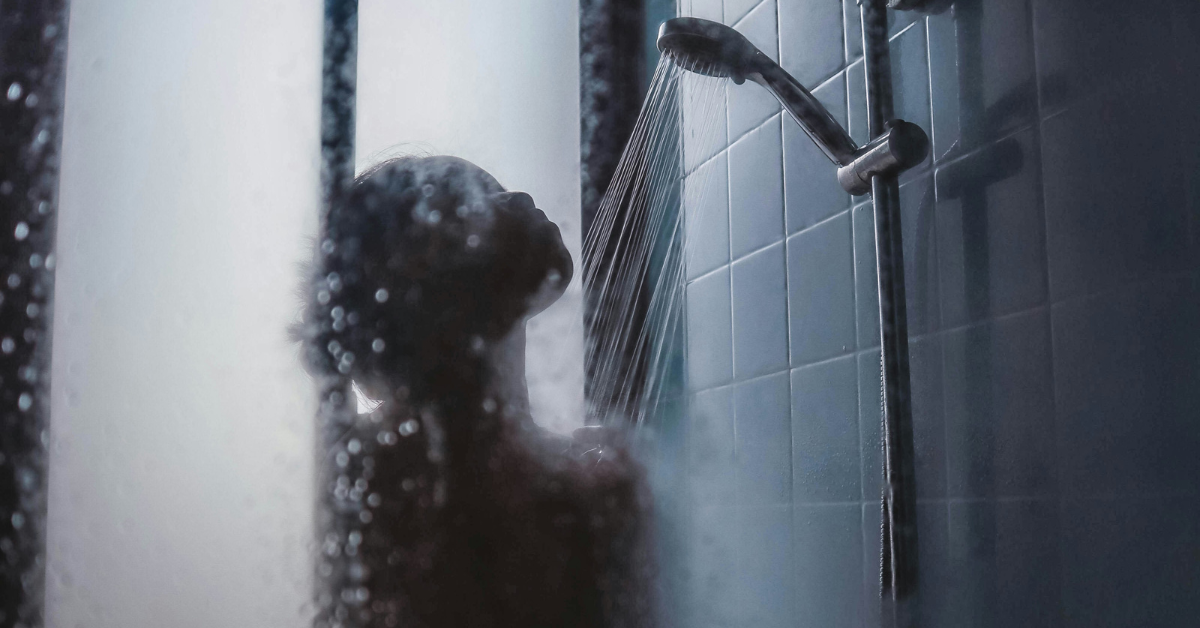
The challenge of modern living is that ambient lighting, late-night screen exposure, indoor heating, and evening stress frequently suppress this natural cooling process. By intentionally manipulating body temperature through a targeted warm shower, you can actively prompt the body to drop its core temperature at precisely the right moment.
How Vasodilation Signals the Circadian Clock
It may sound paradoxical to take a warm shower in order to cool down the body, but the biological mechanism behind this strategy relies on vascular physics. The key lies in a process called vasodilation, which is the widening of blood vessels near the surface of the skin.
When warm water hits the skin, the peripheral blood vessels in the hands, feet, and limbs expand. Blood rushes away from the internal organs and toward the body surface. When you step out of the shower into a cooler ambient environment, that surface heat rapidly evaporates into the surrounding air.
Because blood has been drawn to the extremities, heat radiates off the body far faster than it would under normal conditions. As surface evaporation occurs, internal blood cools and circulates back toward the core. This rapid transfer of internal heat outward causes core body temperature to plunge beneath its baseline.
This sudden decrease in core heat acts as an biochemical green light for the pineal gland. It amplifies the natural release of melatonin, the primary hormone responsible for regulating circadian rhythms. Rather than waiting passively for the body to cool down on its own, vasodilation forces a sharp thermal decline that prepares the central nervous system for immediate rest.
The Beauty Connection: Cellular Repair in Stage Three NREM
In wellness and aesthetic medicine, deep sleep is often described as the single most effective anti-aging treatment available. The biological reason for this is straight forward: stage three NREM sleep is when human growth hormone reaches its daily peak production.
During slow-wave sleep, blood flow shifts dramatically from the brain to the skin and muscular tissues. This surge in peripheral circulation delivers fresh oxygen and essential nutrients to epidermal cells. Simultaneously, cellular division accelerates, allowing the body to repair damage caused by daily ultraviolet exposure, environmental pollutants, and metabolic stress.
When deep sleep is fragmented due to poor thermal regulation, growth hormone release drops significantly. Cortisol levels remain elevated overnight, which actively breaks down skin collagen and elastin. Over time, chronic deprivation of slow-wave sleep leads to a compromised skin barrier, increased trans-epidermal water loss, dull skin tone, and premature fine lines.
By unlocking longer and uninterrupted cycles of deep sleep, the Core Temp Drop Protocol restores the ideal hormonal environment for nocturnal skin regeneration. Warm water also opens facial pores and softens the outer layer of skin, making it uniquely receptive to topically applied serums and moisturizers directly following the shower.
The 90-Minute Timing Window Explained
Timing is the absolute foundation of this protocol. Showering immediately before climbing into bed can produce the opposite of the desired result. If you step straight from a hot shower under the covers, heat remains trapped inside your bedding and against your skin. This causes core temperature to stay elevated, leading to restlessness and delayed sleep onset.
Research indicates that ninety minutes prior to your target sleep time is the ideal window. This ninety-minute buffer allows sufficient time for the two-phase thermal reaction to complete itself fully.
During the first thirty minutes after the shower, heat active evaporation occurs as surface blood vessels remain dilated. Over the subsequent sixty minutes, the internal cooling effect hits its trough, aligning perfectly with your target bedtime.
When you slide into bed ninety minutes post-shower, your core temperature is actively falling at its steepest rate. This steep downward slope triggers strong sleep pressure, reducing the time it takes to fall asleep and decreasing middle-of-the-night awakenings.
Optimizing Water Temperature for Maximum Physiological Impact
To execute the protocol correctly, water temperature must be warm enough to induce vasodilation without triggering a sympathetic nervous system stress response. Water that is excessively hot will spike heart rate and cortisol levels, blunting the sleep-inducing benefits.
The target water temperature should feel comfortably warm, ideally between 100 and 104 degrees Fahrenheit, or roughly 38 to 40 degrees Celsius. The shower duration should range between ten and twenty minutes. A brief two-minute rinse is insufficient to dilate deep peripheral blood vessels, while spending more than twenty minutes in warm water can lead to skin dehydration and unnecessary heat buildup.
Ambient room temperature after stepping out of the shower plays an equally important role. If the bathroom or bedroom is overly humid or warm, heat cannot evaporate effectively from the skin. Maintaining a bedroom temperature between 65 and 68 degrees Fahrenheit creates the optimal contrast necessary to accelerate core heat dispersion.
Evening Ritual Integration for Radiant Overnight Recovery
To turn this biological mechanism into an effortless evening habit, align your post-shower routine with your overall nighttime recovery goals.
First, keep lighting dim as soon as you step into the bathroom. Bright overhead LEDs mimic sunlight and counteract the melatonin release triggered by your dropping core temperature. Rely on warm ambient lighting or candles during your evening shower.
Second, apply hydrating skincare while skin is still slightly damp. Warm water strips a small amount of natural lipid lipids from the surface. Applying hyaluronic acid or lipid-rich barrier creams within three minutes of drying off locks in essential moisture and protects against overnight hydration loss.
Third, wrap yourself in breathable, loose-fitting cotton or silk sleepwear. Synthetic fabrics trap heat against the skin, disrupting the steady dissipation of core warmth throughout the night.
By combining precise thermal manipulation with proper skin recovery habits, the Core Temp Drop Protocol turns a basic hygienic habit into a powerful tool for deep sleep and nightly skin renewal.