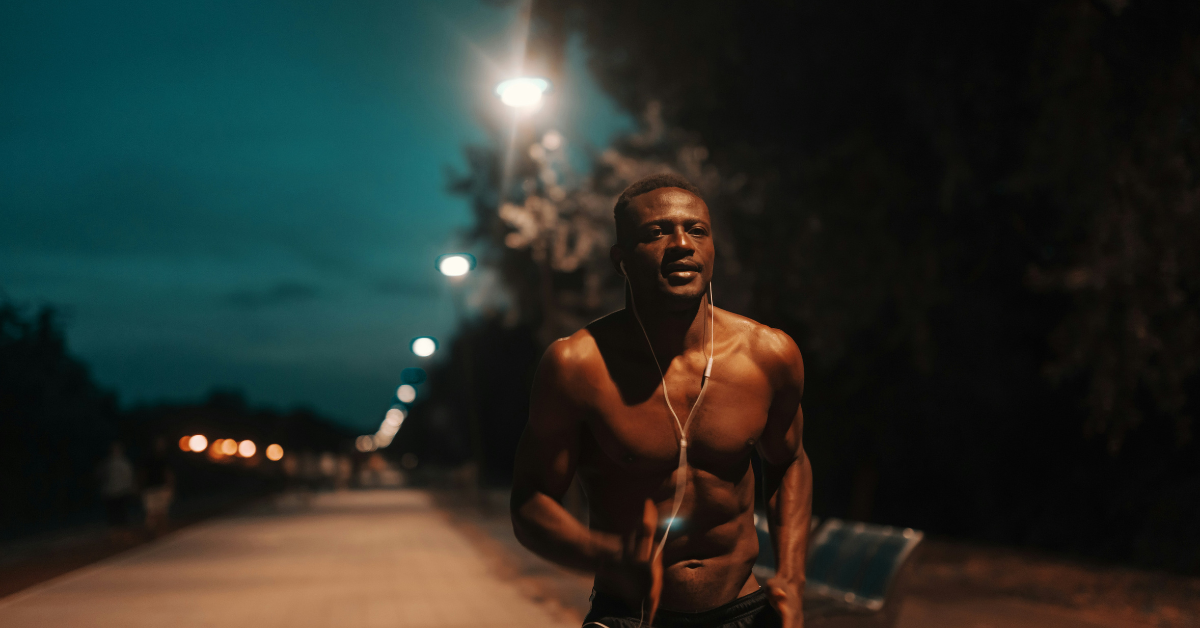
For millions of busy professionals, late night workouts are the only open window on a packed calendar. Returning home from the office, clearing email inboxes, and heading straight to the gym at eight or nine in the evening feels like a victory of discipline. However, engaging in high intensity cardiovascular training late at night forces a direct conflict between your athletic drive and your biological design.
While exercise is widely celebrated as a pillar of health, timing is everything. Engaging in strenuous cardio after eight in the evening triggers a surge of stress hormones and body temperature spikes that systematically disrupt your circadian rhythm, stripping away essential slow wave and rapid eye movement sleep.
The Neuroendocrine Surge of Late Night Cardio
To understand why late night sprint intervals or high intensity cycling classes wreak havoc on sleep quality, you must look at the hormonal cascade triggered by hard physical effort. High intensity cardiovascular training relies heavily on the sympathetic nervous system, commonly known as the fight or flight response.
When you push your heart rate into high intensity training zones, your adrenal glands flood the bloodstream with two primary chemicals: epinephrine, also known as adrenaline, and cortisol. Epinephrine immediately increases heart rate, dilates airways, and heightens sensory awareness. Simultaneously, cortisol stimulates glucose production to supply rapid energy to working muscles, increases blood pressure, and suppresses non-essential functions like digestion and immune response.
In a evolutionary context, this physiological state was reserved for surviving acute physical danger. The body cannot distinguish between running from a predator on the savanna and sprinting on a treadmill in a brightly lit gym. To your brain, intense physical exertion signals a high stakes emergency that demands total alertness.
Under normal circumstances, human cortisol levels follow a distinct diurnal rhythm. Cortisol naturally spikes shortly after waking to promote alertness, gradually declines throughout the afternoon, and reaches its absolute lowest level around midnight. When you perform high intensity cardio past eight in the evening, you create an artificial cortisol spike at the exact moment your body is programmed to wind down. This elevated cortisol directly suppresses the production of melatonin, the primary hormone responsible for initiating sleep, locking your brain in a hypervigilant state long after you leave the gym.
Thermal Dysregulation and the Core Temperature Trap
Hormones are only half of the equation. Late night workouts also disrupt one of the body's primary mechanical sleep triggers: core body temperature regulation.
Human sleep architecture is intimately tied to internal temperature dynamics. To fall asleep and transition smoothly into deep sleep stages, your core body temperature must drop by approximately one to two degrees Fahrenheit. This drop is facilitated by peripheral vasodilation, where blood vessels near the skin dilate to radiate heat away from the body's core. This natural cooling process typically begins two to three hours before your habitual bedtime, signaling to the central nervous system that it is time to rest.
Intense cardiovascular exercise causes a massive rise in core body temperature due to metabolic heat production from working muscles. Depending on the duration and intensity of the workout, core temperature can remain significantly elevated for two to four hours after exercise concludes.
When you finish a grueling workout at nine in the evening, your body is still actively attempting to dissipate trapped thermal energy at eleven o'clock. Even if you manage to fall asleep due to sheer muscular exhaustion, your elevated internal temperature prevents your brain from entering and maintaining the deeper, cooler stages of sleep.
The Destruction of Sleep Architecture
Sleep is not a uniform state of unconsciousness. Instead, it is a highly orchestrated series of ninety minute cycles composed of non rapid eye movement sleep and rapid eye movement, or REM, sleep. Each phase serves a vital, distinct role in physical recovery, cognitive maintenance, and emotional health.
Elevated cortisol levels and elevated core temperature past eight in the evening act as a double blow to this delicate sleep structure, damaging both slow wave deep sleep and REM sleep.
Deep Sleep Suppression and Physical Recovery
Slow wave sleep, often referred to as Stage 3 deep sleep, predominates during the first half of the night. This is the stage where the body undertakes deep physical repair. During slow wave sleep:
- The pituitary gland releases human growth hormone to repair damaged muscle tissue and synthesize protein.
- The glymphatic system clears metabolic waste products and neurotoxins from the brain.
- Systemic inflammation decreases and immune function strengthens.
When cortisol remains elevated late at night, it fragmentates the first half of your sleep cycle. Instead of sinking smoothly into restorative slow wave sleep, your brain spends excessive time in light Stage 1 and Stage 2 sleep. Muscles remain partially tense, growth hormone secretion is blunted, and you wake up feeling physically stiff and unrefreshed despite spending eight hours in bed.
REM Sleep Elimination and Cognitive Deficits
While deep sleep repairs the body, REM sleep repairs the mind. Concentrated primarily in the second half of the night, REM sleep is essential for memory consolidation, emotional processing, motor skill learning, and neuroplasticity. During REM sleep, the brain actively organizes the previous day's experiences and clears emotional stress.
Cortisol directly interferes with the neural oscillations required for REM sleep. Elevated nighttime stress hormones cause micro-awakenings that truncate REM cycles or eliminate them altogether. Furthermore, because elevated core temperature delays the initial transition into deep sleep, the entire sleep architecture shifts forward, crowding out the extended REM periods that typically occur during the final hours of rest.
The cognitive cost of missing REM sleep is immediate. Individuals who consistently cut their REM sleep short suffer from reduced mental sharpness, impaired decision making, increased emotional reactivity, and degraded motor coordination the following day.
Strategic Alternatives: Implementing the Cortisol Curfew
To safeguard your sleep architecture while maintaining a rigorous fitness routine, you do not need to give up exercise entirely. Instead, you must align your training style with your circadian physiology by establishing a strict cortisol curfew.
Shift High Intensity Cardio to the Morning or Afternoon
Schedule high intensity training sessions, high intensity interval training, heavy conditioning, and fast paced runs before five in the afternoon. Morning workouts capitalize on the natural natural cortisol peak, boosting daytime energy without disrupting nighttime biology.
Transition to Low Intensity Activity After Eight PM
If the hours after eight in the evening are your only opportunity to move, pivot from high intensity cardio to parasympathetic down-regulation activities. Replace strenuous cycling or running with:
- Gentle walking outdoors or on a flat treadmill.
- Slow, restorative yoga or light mobility work.
- Low intensity breathwork designed to stimulate vagal tone and lower heart rate.
Low intensity movement promotes circulation and aids digestion without driving up core body temperature or elevating adrenal hormones.
Utilize Thermal Therapy for Rapid Recovery
If an occasional late workout is unavoidable, use strategic cooling techniques to accelerate your body's return to thermal baseline. Taking a warm shower or bath immediately after a workout causes rapid surface blood flow, which rapidly dumps heat from your core once you step out into a cool room. Pair this with a bedroom temperature set between sixty five and sixty eight degrees Fahrenheit to assist your body's natural cooling process.
Respecting Your Biological Clock
Training hard is an essential component of long term physical resilience, but exercise is only as effective as your ability to recover from it. Consistently pushing your cardiovascular system into high gear past eight in the evening places your nervous system at war with itself, trading deep physical recovery and cognitive sharpness for a temporary workout high.
By honoring your circadian rhythm and establishing a firm cortisol curfew, you protect your deep REM sleep, lower your injury risk, and ensure that your hard work in the gym translates into true athletic progress and sustainable health.