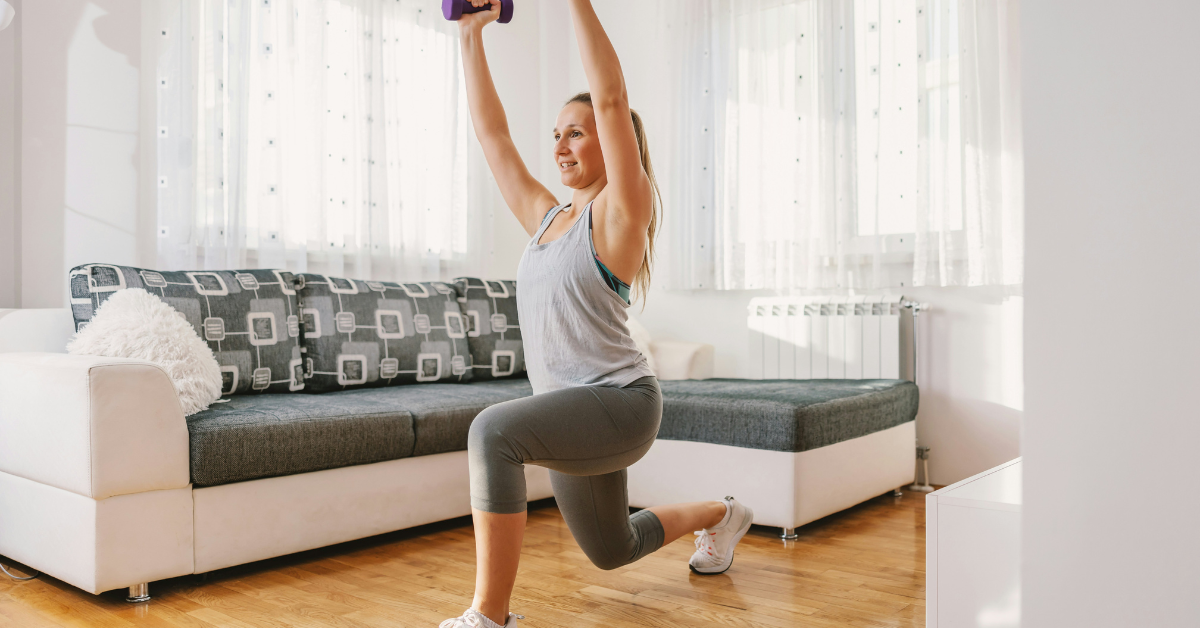
For decades, one dogma dominated fitness centers, physical therapy clinics, and athletic training rooms: never let your knees pass your toes. Fitness instructors barked it during group squats, strength coaches printed it in lifting manuals, and therapists warned that letting the knee travel forward would destroy the patellar tendon and wear down cartilage.
However, modern sports science and biomechanical research have thoroughly dismantled this myth. Far from being a dangerous flaw, allowing the knee to travel forward over and well past the toes is a natural, necessary human movement pattern. By systematically loading this range of motion rather than avoiding it, athletes and everyday movers can rebuild tendon elasticity, increase joint mobility, and bulletproof their knees against pain and injury.
The Origin of a Biomechanical Myth
The prohibition against forward knee travel stems largely from a misinterpretation of biomechanical study findings from the late 1970s and 1980s. Early researchers observed that as the knee travels forward past the toes during a squat, shear forces on the patellofemoral joint increase.
To minimize these forces, coaches began instructing lifters to keep their shins strictly vertical, forcing all movement into the hips. While this technique does reduce pressure on the knees, it creates a massive hidden tradeoff. Restricting forward knee travel dramatically increases torque and load on the lumbar spine and hips, often by over 1000 percent.
More importantly, avoiding forward knee travel ignores a fundamental law of human biology: tissue adapts to stress. When you systematically shelter a joint from load, the surrounding tendons, ligaments, and cartilage become weaker and less resilient. When everyday life inevitably forces your knee past your toes, such as descending a steep flight of stairs, kneeling to pick up an object, or making a quick cut on a sports field, the underconditioned joint fails under the unexpected stress.
Anatomy of the Knee-Over-Toes Mechanism
Understanding why forward knee travel builds joint resilience requires a closer look at the structures supporting the knee complex.
The Patellar Tendon and Mechanotransduction
The patellar tendon connects the quadriceps muscle group to the tibia. When the knee moves forward over the toes, the acute angle creates a stretching force across this tendon.
This mechanical stretch triggers a process called mechanotransduction, wherein cells inside the tendon convert physical load into chemical signals. These signals prompt the body to synthesize new collagen fibers, realigning them along lines of stress and increasing the thickness, stiffness, and load-bearing capacity of the tendon over time.
VMO Activation and Joint Alignment
The vastus medialis oblique is the teardrop-shaped quadriceps muscle located on the inner side of the knee. It plays a vital role in stabilizing the patella within its groove during flexion and extension. Deep knee flexion with forward knee travel recruits this muscle far more effectively than partial squats or vertical-shin movements, ensuring proper kneecap tracking and reducing uneven wear on joint surfaces.
Synovial Fluid and Cartilage Health
Unlike muscles, articular cartilage has no direct blood supply. It relies on a process called hydrostatic compression for nourishment. As the knee moves through its full range of motion under controlled load, synovial fluid is squeezed out of the cartilage like water from a sponge. When the joint decompresses, fresh, nutrient-rich fluid is sucked back in. Restricting range of motion starves the joint cartilage of this natural lubrication and nutrient delivery.
The Key Components of the Protocol
Rebuilding knee health through forward knee travel is not about jumping straight into deep, heavily weighted squats. It requires a progressive, bottom-up approach that addresses the entire kinetic chain, from the ankles to the hips.
Ankle Dorsiflexion Mobility
Forward knee travel is impossible without sufficient ankle dorsiflexion, which is the ability of the shin to angle forward relative to the foot. Tight calves and stiff ankle joints block forward knee travel, forcing the body to compensate through collapse of the foot arch or excessive hip hinging. Improving ankle dorsiflexion is the necessary first step to unlocking healthy knee mechanics.
Soleus and Tibialis Strength
While the quadriceps absorb much of the force during forward knee travel, the muscles of the lower leg serve as the primary brake. The tibialis anterior, which is the muscle running down the front of the shin, decelerates forward shin movement, while the deep calf muscle controls ankle bend. Strengthening these front and back lower-leg muscles creates a supportive sleeve around the knee joint.
Progressive Tendon Loading
Tendons adapt much slower than muscles because of their limited blood supply. Therefore, loading forward knee travel requires long exposure times at manageable intensities, prioritizing tempo, control, and incremental progression over heavy resistance.
Step-by-Step Exercise Progression
To safely integrate forward knee travel into your training routine, follow a strict progression model. Move to the next variation only when you can perform the current movement completely pain-free.
Step 1: The Tibialis Raise
Before loading the knees directly, build the decelerator muscle on the front of the leg. Lean your shoulders against a wall with your feet placed twelve to eighteen inches out in front of you. Flex your toes up toward your knees, holding the top contraction for two seconds before lowering slowly. Complete twenty to twenty-five reps to build shin density and ankle stability.
Step 2: The Elevated Step-Up
Elevating your heel artificially increases ankle dorsiflexion, allowing the knee to travel far past the toes with minimal ankle restriction.
Begin on a small step or slant board. Step one foot forward, allowing that knee to bend completely so the back of your hamstring touches your calf, while the back leg stays straight. Use a handrail or wall for assistance to unweight the joint as needed. Work up to three sets of twenty controlled repetitions per leg.
Step 3: The Flat-Ground Step-Up
Once elevated movements are pain-free, transition to flat-ground variations. Stand on a small three-to-six-inch block. Keep your torso upright and lower your opposite heel toward the floor by pushing your working knee forward past your toes. Touch your opposite heel lightly to the ground and push through the forefoot to return to the top. Complete three sets of fifteen reps per side.
Step 4: The Full-Depth Split Squat
The pinnacle exercise of the protocol is the full-depth split squat performed on flat ground. Step into a wide lunging stance. Drive your front knee as far forward past your toes as possible until your calf covers your thigh completely, while keeping your back knee off the floor and your torso upright. Hold the bottom position for two seconds before pushing back to the start.
Common Mistakes to Avoid
When rebuilding knee health, how you execute the movement is just as important as the exercises you choose:
- Training Through Sharp Pain: Never push through sharp, localized joint pain. Discomfort in muscle tissue is acceptable, but sharp tendon or joint pain is a signal to regress the movement by elevating the surface or reducing resistance.
- Rushing the Progression: Tendons require months, not weeks, to remodel their collagen structure. Rushing into heavy weighted knee-over-toes movements before building baseline capacity will irritate the patellar tendon.
- Collapsing the Arch: As the knee travels forward, ensure it tracks directly in line with the second and third toes. Allowing the knee to cave inward transfers harmful twisting forces onto the inner joint line.
Long-Term Benefits for Joint Longevity
Shifting from knee-avoidance to intentional knee-over-toes training offers profound physical benefits for athletes and non-athletes alike:
- Elimination of Tendinopathy: Systematically strengthening the tendon at end-range angles restores elasticity, resolving chronic jumper's knee and tendonitis.
- Resilience in Changing Directions: Sports require sudden stops, jumps, and direction changes where forward knee travel is unavoidable. Conditioning this position prepares the joints for real-world athletic demands.
- Deceleration Power: Stronger shins and tendons allow you to slow down faster, absorb impact smoothly when jumping, and descend hills or stairs without joint discomfort.
- Restored Freedom of Movement: Unlocking full range of motion restores confidence in basic human movements, allowing you to squat, kneel, and run without fear of pain.
By moving past outdated warnings and understanding how joint tissue actually adapts to stress, you can stop treating your knees like delicate glass and start building them into durable, resilient hinges built to last a lifetime.