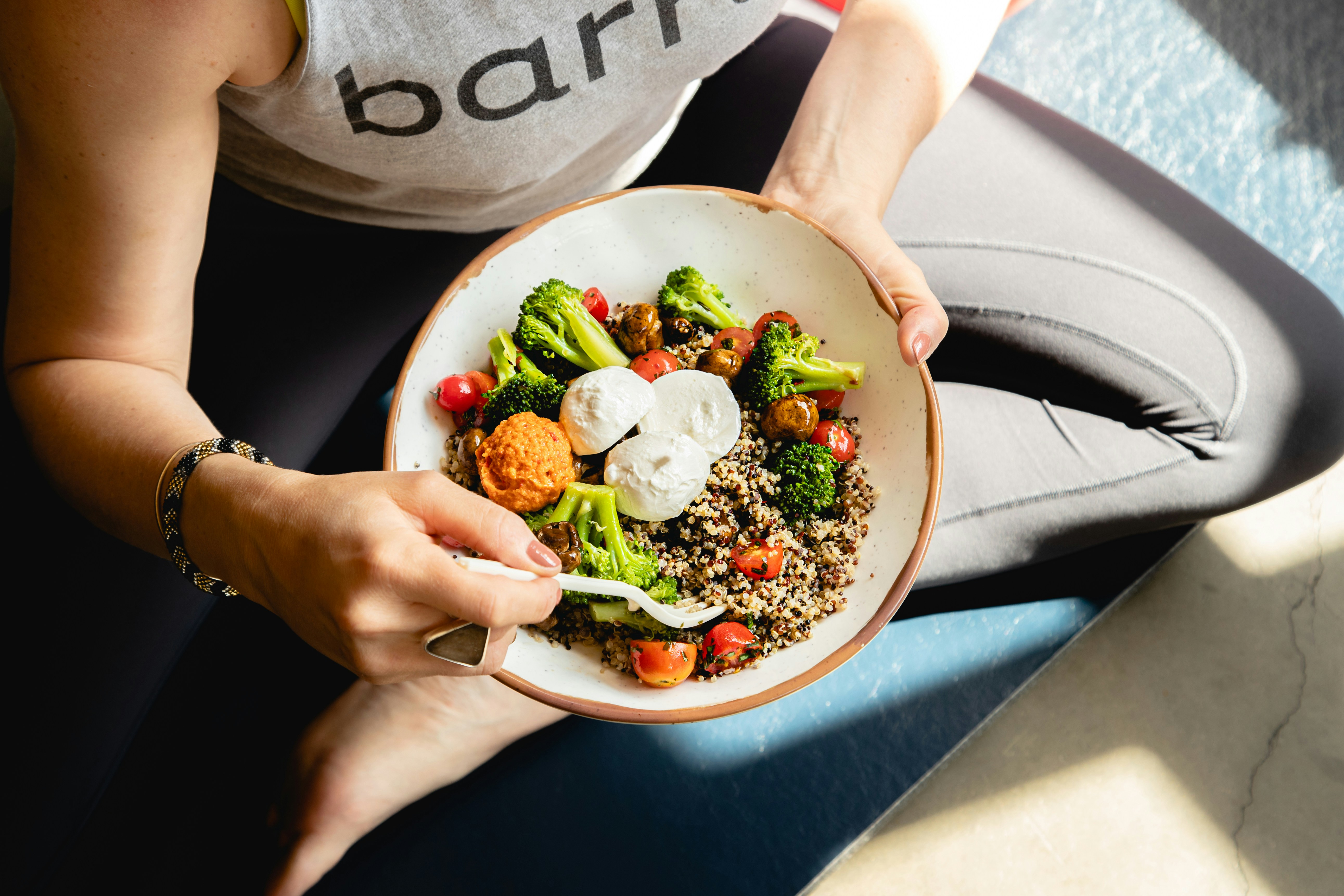
The modern nutritional landscape has transformed eating into a stressful math problem. In pursuing excellence, competitors face overly complex dietary theories, shifting macronutrient ratios, and aggressive marketing campaigns pushing engineered powders, bars, and processed formulas. This obsession with artificial optimization creates a culture where engineered convenience products are mistaken for true physiological nourishment, introducing unnecessary confusion and digestive stress into an athlete's life. True physical capacity does not require a chemistry degree or a medicine cabinet full of synthetic shortcuts. To build an adaptable physical engine that can consistently meet elite fitness standards, we must strip away the noise of marketing trends and return to the foundational simplicity of whole-food fueling.
Nutrient Density vs. Empty Calories
The fundamental error of modern performance nutrition is the reduction of food down to isolated macronutrient numbers. While tracking total energy intake has its place in structured programming, a strict focus on numbers ignores the massive physiological impact of food quality. An engineered bar and a meal of sweet potatoes and wild fish might match perfectly on a spreadsheet, but their biological transferability within the body is entirely different. Processed performance foods are structurally stripped down, often lacking the vital micronutrient matrix, enzymes, and trace minerals required to catalyze energy production at the cellular level.
Whole, single-ingredient foods deliver an unadulterated package of biological tools. Prioritizing whole foods provides the system with bioavailable vitamins and minerals that directly regulate metabolic pathways, muscle protein synthesis, and oxygen transport. For practitioners dedicated to performance-based fitness, this distinction is critical. Real food optimizes cellular health, reduces oxidative stress from training, and provides sustained, stable energy releases without the rapid spikes and crashes associated with refined sugars and heavily processed substitutes. True athletic preparation begins when we stop viewing food merely as a collection of macros and start viewing it as a direct source of structural renewal.
Reducing Gut Stress to Optimize Recovery
An elite strength and conditioning program depends entirely on the gastrointestinal tract’s capacity to cleanly digest, absorb, and distribute nutrients. The body cannot repair damaged tissue or replenish glycogen reserves if the digestive system is trapped in chronic irritation. The modern performance diet—flooded with synthetic protein isolates, artificial sweeteners, emulsifiers, and chemical preservatives—acts as a constant irritant to the gut lining. This low-grade digestive stress forces the immune system into a defensive posture, redirecting biological resources away from physical recovery to manage internal gut inflammation.
Transitioning to a pure whole-food architecture removes these artificial friction points. Single-ingredient foods are recognized by human physiology as natural substrates, allowing for efficient enzymatic breakdown and seamless nutrient absorption without triggering immune warnings. When the gut is functional, the body maximizes the uptake of essential amino acids, fatty acids, and complex carbohydrates. This digestive efficiency translates into faster recovery kinetics between demanding training sessions. For hybrid athletes balancing intense mechanical loading with high-volume cardiovascular output, protecting the gut baseline through real food is an essential longevity strategy that keeps the physical engine operating at peak capacity.
The Grocery Perimeter Protocol
Removing complexity from performance nutrition requires an actionable shopping philosophy that eliminates decision fatigue. The simplest way to achieve this is by implementing the grocery perimeter protocol. In almost every modern market, whole, single-ingredient foods are located exclusively along the outer walls of the building, while processed products fill the inner aisles. By intentionally anchoring your shopping strategy to the perimeter, you automate your nutrition, ensuring that your kitchen is stocked entirely with high-value biological fuel.
A clear, simplified template for stocking a performance-driven kitchen should prioritize specific foundational categories:
- Clean Complex Carbohydrates: Sweet potatoes, oats, brown rice, and seasonal fruits to provide stable muscle glycogen replenishment without causing systemic inflammatory spikes.
- High-Yield Proteins: Wild-caught fish, grass-fed meats, eggs, and poultry to deliver a complete spectrum of bioavailable amino acids for structural tissue repair.
- Essential Functional Fats: Avocados, raw nuts, extra virgin olive oil, and seeds to support joint mechanics, hormone production, and cellular membrane integrity.
- Micronutrient Densifiers: Leafy greens, cruciferous vegetables, and deep-colored berries to supply the essential antioxidants and trace elements required to clear metabolic waste.
By building your entire dietary framework around these single-ingredient foundations, you eliminate the stress of over-complicated diet trends, turning your kitchen into a self-contained hub of physical optimization.
Establishing Nutrition as a Discipline of Execution
The transition to whole-food fueling demands a level of personal discipline that mirrors the commitment brought to the competitive platform. It is easy to rely on the convenience of a factory-made shake or a packaged bar; it is far more challenging to dedicate the necessary focus to meal preparation, sourcing quality ingredients, and prioritizing actual food over marketing hype. However, it is precisely this dedication to the unglamorous basics that separates the enduring competitor from the short-lived sensation.
True athletic credibility within a standardized performance ecosystem cannot be manufactured through quick fixes or superficial shortcuts. Data gathered across years of high-level evaluation shows a clear trend: the athletes maintaining the highest levels of long-term output are those who respect their internal biology. They understand that every meal is a choice to either build or degrade their physical structure. When you stop looking for advanced solutions in a pill bottle and start mastering the simplicity of clean, natural nutrition, you unlock a sustainable level of physical power.
Conclusion
The pursuit of lifetime athletic dominance is a test of systemic discipline, not a showcase for temporary trends. To continuously demand elite physical output from your muscles and joints while fueling your body with highly processed, synthetic substitutes is a biological contradiction that always leads to premature plateaus. Real structural resilience is built in the simple, consistent choices made at the dinner table, where whole foods are prioritized, internal stress is minimized, and cellular health is protected. Reject the short-sighted philosophy that measures dedication purely by the complexity of your supplement stack or the tracking apps on your phone. Invest heavily in your raw biological health, honor the precise structural needs of your kinetic chain, and build an unshakeable physiological foundation that refuses to compromise over time. Master the simplicity of whole-food fueling, verify your physical capacity daily, and secure an enduring athletic legacy through the unyielding practice of performance-first discipline.