Why Longevity is Becoming the New Fitness Goal
For most of the modern fitness era, the goal was visible. A leaner body. Bigger muscles. A faster mile. The metrics of success were largely aesthetic or performance-based — things you could see in a mirror or measure on a stopwatch. The question driving the gym floor was almost always some variation of: how do I look, and how do I perform right now? Longevity — the idea of training and living specifically to extend both the length and quality of life — barely registered as a mainstream aspiration. That is changing rapidly, and the shift is reshaping everything from how people exercise to how they eat, sleep, and think about health across an entire lifetime.
Longevity is becoming the new fitness goal, and it's not a trend. It's a fundamental reorientation of what it means to be well.
A Culture Ready for a Longer View
Several forces have converged to make longevity a central concern for a growing number of people. The first is demographic. As the largest generations in modern history move deeper into middle age, questions about how to age well have moved from abstract to urgent. People in their forties and fifties who watched their parents decline — losing mobility, cognitive sharpness, and independence earlier than seemed inevitable — are asking whether a different outcome is possible. Increasingly, the answer appears to be yes.
The second force is scientific. Research into the biology of aging has accelerated dramatically in recent years. The mechanisms of cellular aging — telomere shortening, mitochondrial dysfunction, chronic inflammation, loss of muscle mass — are better understood than ever before. More importantly, a growing body of evidence suggests that lifestyle interventions can meaningfully influence these processes. The idea that aging is simply something that happens to us, beyond our influence, is giving way to a more empowered view: that how we age is, to a significant degree, a function of how we live.
The third force is cultural. High-profile physicians, researchers, and public intellectuals have brought longevity science into mainstream conversation, translating complex biology into actionable frameworks that ordinary people can actually use. The longevity conversation is no longer confined to academic journals. It is happening in podcasts, bestselling books, and gyms around the world.
The Difference Between Lifespan and Healthspan
At the heart of the longevity movement is a distinction that changes everything: the difference between lifespan and healthspan. Lifespan is simply how long you live. Healthspan is how long you live well — with physical vitality, cognitive clarity, emotional resilience, and the functional capacity to do the things that make life meaningful.
The goal of longevity-oriented fitness is not just to add years to life. It is to add life to years. More specifically, it is to compress what researchers sometimes call the period of morbidity — the years at the end of life characterized by disease, dependency, and decline — into as short a window as possible, while extending the healthy, functional years that precede it.
This reframing changes the entire calculus of fitness. The question is no longer only what serves me in the next six weeks. It becomes: what serves me in the next four decades?
What Longevity-Focused Training Actually Looks Like
The practical implications of this shift are significant. Longevity-oriented fitness looks meaningfully different from traditional gym culture, which has long prioritized intensity, aesthetics, and short-term performance metrics.
Muscle mass takes center stage — not for cosmetic reasons, but because it is one of the strongest predictors of long-term health outcomes. Skeletal muscle is metabolically active tissue that improves insulin sensitivity, supports hormonal balance, protects joints, and provides the physical reserve needed to withstand illness and injury as we age. Strength training, particularly resistance work that challenges the major muscle groups through a full range of motion, is no longer optional for those serious about aging well.
Cardiovascular fitness, specifically aerobic capacity measured by VO2 max, has emerged as one of the most powerful predictors of longevity available. People with high aerobic capacity have dramatically lower rates of cardiovascular disease, metabolic dysfunction, and all-cause mortality. Training to improve and maintain VO2 max — through a combination of low-intensity steady-state work and higher-intensity intervals — is now understood to be one of the highest-return investments a person can make in their future health.
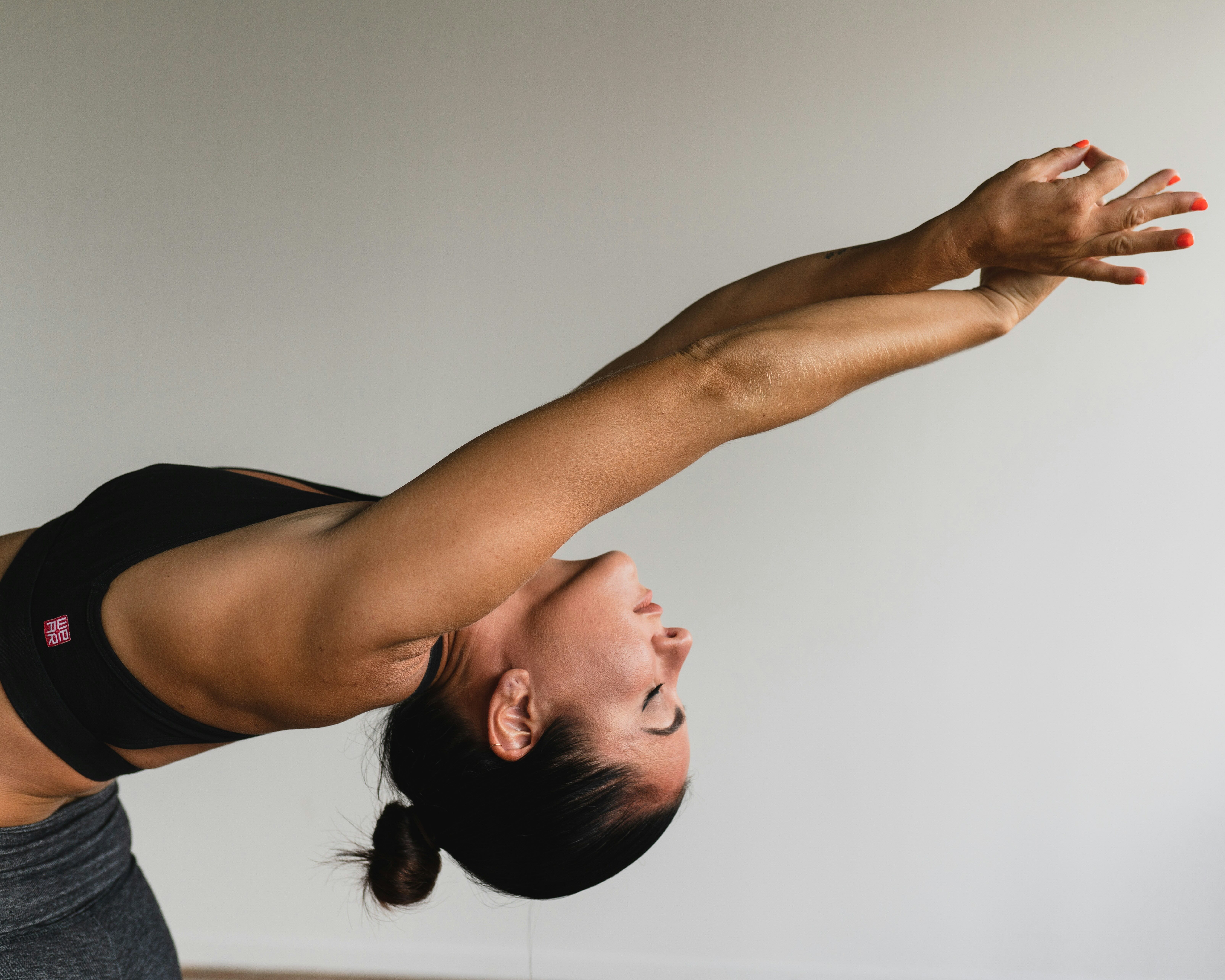
Mobility and stability, long neglected in favor of strength and cardio, are receiving long-overdue attention. The ability to move freely through a full range of motion, to balance, to get up and down from the floor with ease — these are functional capacities that erode with age when not maintained and that are strongly associated with independence and quality of life in later decades. Longevity-focused exercisers train these qualities deliberately, understanding that a fall at seventy-five can be a life-altering event.
Recovery, Sleep, and the Long Game
The longevity mindset extends well beyond the gym. Sleep, long treated as a passive background activity, is now recognized as perhaps the single most important recovery and maintenance process the body has. During sleep, the brain clears metabolic waste, memories consolidate, tissues repair, and the immune system resets. Chronic sleep deprivation accelerates virtually every biomarker of aging. Longevity-focused individuals are as serious about optimizing sleep as they are about their training.
Nutrition in the longevity framework is less about rigid dietary rules and more about a few durable principles: prioritize protein to support muscle mass, minimize ultra-processed foods that drive inflammation, maintain stable blood sugar, and eat in a way that can be sustained for decades rather than weeks. The word sustainable becomes load-bearing in the longevity context. Extreme short-term interventions, however impressive, are far less valuable than moderate consistent habits maintained over a lifetime.
A Shift in Identity
Perhaps the deepest change the longevity movement brings is not in exercise protocols or dietary strategies, but in identity. The person training for longevity sees themselves not as someone chasing a body transformation, but as someone investing in a future self — the version of them that wants to be hiking at seventy, playing with grandchildren at eighty, thinking sharply at ninety.
This longer time horizon changes motivation. It makes consistency more valuable than intensity. It makes recovery as important as effort. It makes sleep and stress management and social connection part of the fitness plan rather than soft afterthoughts.
The fitness goal has always reflected the values of the culture pursuing it. That culture is growing up. It is beginning to ask not just how to look better or perform better now, but how to live better — across the full arc of a human life. Longevity isn't replacing fitness. It is expanding what fitness means.